Association
KernD is the voice of nuclear energy in Germany and the central platform for all issues across the nuclear value chain.
What We Do
As Germany’s leading nuclear competence network, we bring together the interests of industry, research, education, and experts. We represent shared interests and shape dialogue with policymakers, regulators, media, and the public.
 Our Responsibilities
Representing interests. Shaping the framework.
KernD brings the industry’s perspective into political and regulatory processes. We engage closely with ministries, authorities, and international institutions, monitor legislation and regulatory practice, and advocate for technology-open, reliable, and internationally compatible framework conditions.
Bringing expertise together. Making knowledge accessible.
Our expert committees unite specialists from across the nuclear sector – from safety, radiation protection, and waste management to transport, international regulation, and public communication.
This allows us to pool expertise, develop joint positions, and provide reliable information for policymakers, media, and the public.
Enabling dialogue. Providing orientation.
KernD serves as a point of contact for everyone engaged with nuclear energy: from political decision-makers and journalists to interested citizens.
We provide context for current debates, take clear positions, and contribute fact-based perspectives on key issues.
Connecting the industry. Securing the future.
As a central industry platform, we connect companies, research institutions, and organizations. We strengthen collaboration, promote knowledge transfer, and support the preservation and further development of Germany as a high-tech industrial location – from existing expertise to emerging technologies such as SMRs and fusion.
Supporting the next generation. Sharing knowledge.
Through our subsidiary INFORUM, we organize conferences, young talent initiatives, seminars, and professional training programs.
With the professional journal atw – International Journal for Nuclear Power, we contribute to international technical communication within the nuclear sector.
The People Behind KernD
Your Contacts
Executive Board
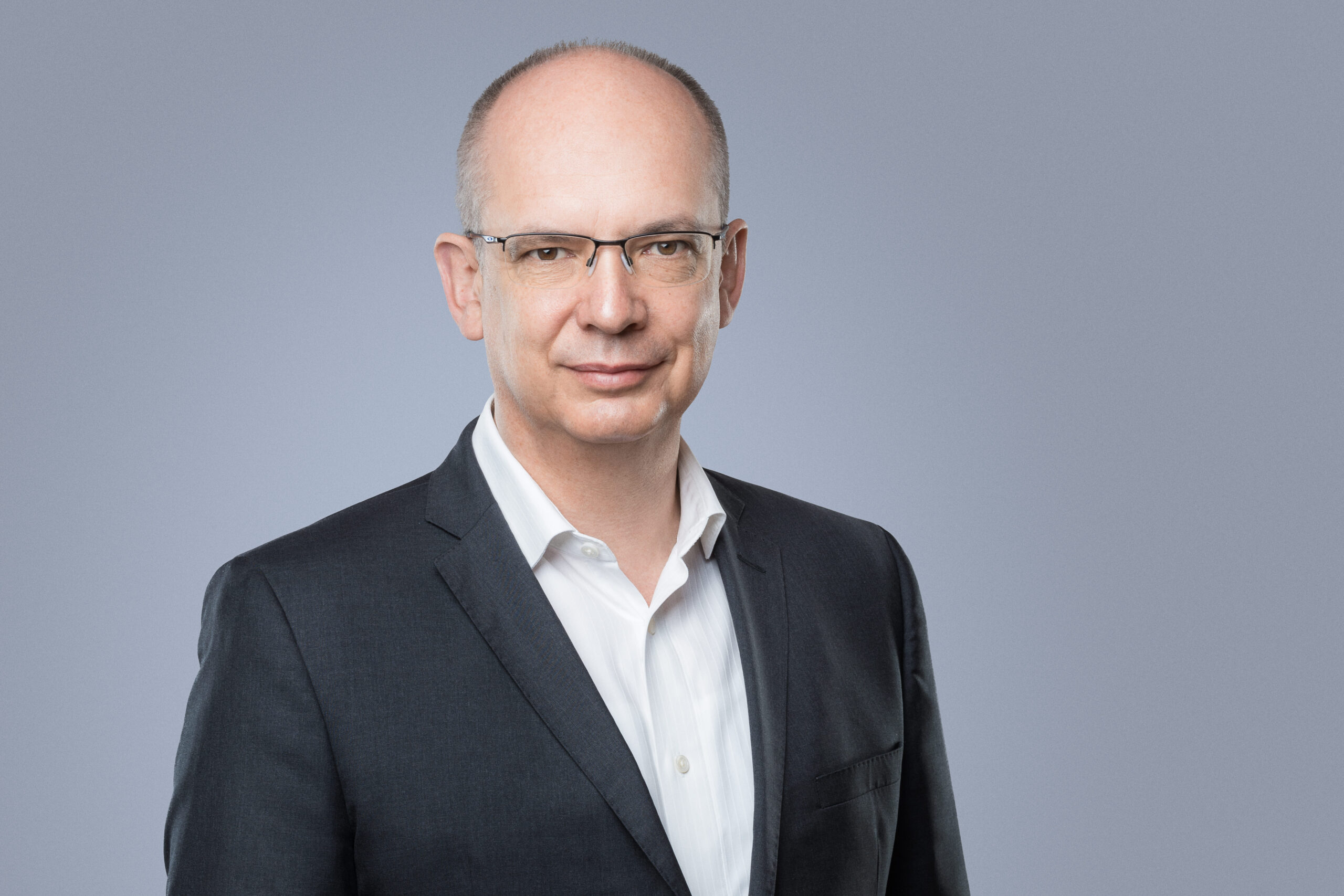
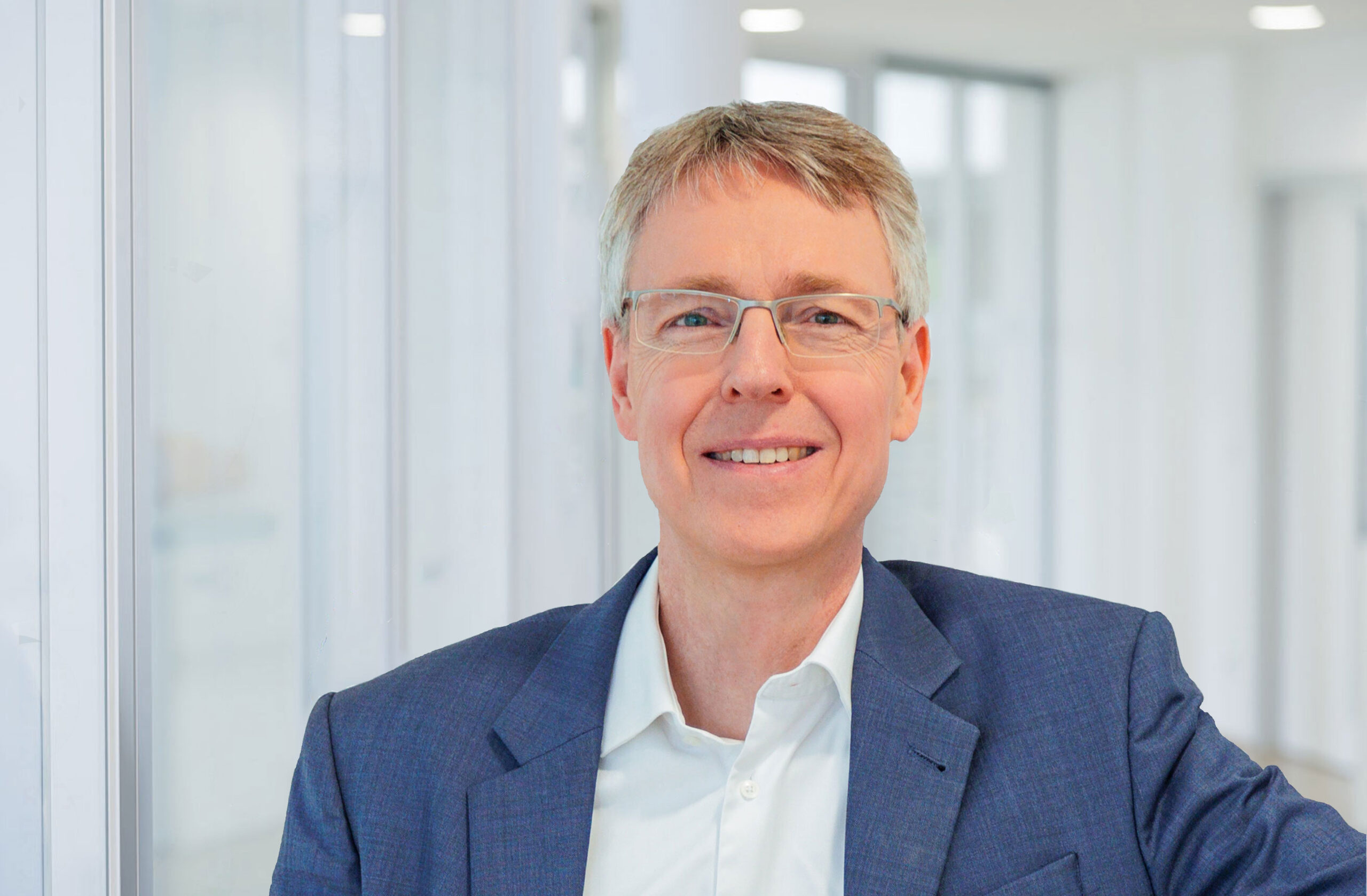
Thomas Seipolt
Chairman of the Board
Executive Officer, NUKEM Technologies Engineering Services GmbH

Together for the Future of Nuclear Technology
KernD is shaped by the people who define the association professionally, strategically, and publicly.
Structure & Governance
As a registered association, KernD is built around the General Assembly as its highest governing body. The General Assembly defines the association’s strategic direction.
The Executive Board is responsible for the organization’s strategic and technical leadership and represents KernD externally. It brings together expertise from industry, research, and education across the entire nuclear value chain.
The management team oversees the operational work of the association and serves as the central interface for members, policymakers, media, and partners.
Team & Expert Committees
The KernD team operates at the intersection of technical expertise, communication, and political dialogue. It ensures the implementation of the association’s strategy and strengthens networking and visibility across the sector.
The organization’s technical depth is developed within its expert committees, where specialists jointly formulate positions and assess practical industry issues.
The structure is complemented by INFORUM GmbH, which organizes conferences, publications, and training formats and manages major industry events.
Our Members
Leading companies and institutions in nuclear technology
 Advanced Nuclear Fuels GmbH (ANF)
Advanced Nuclear Fuels GmbH (ANF), based in Lingen, is a subsidiary of Framatome GmbH and part of the international Framatome Group within the EDF Group. ANF manufactures fuel assemblies, intermediate products, and components for nuclear power plants, making a major contribution to supplying the European and global nuclear fuel market. The company is also continuously expanding its international technology and service business to ensure long-term reliable and secure fuel supply.
 ETC Enrichment Technology Company Limited
ETC Enrichment Technology Company Limited is an international high-tech company specializing in the development, manufacture, and installation of gas centrifuges for uranium enrichment. The company also provides engineering services, plant design, project management, and specialized components such as aluminum piping systems. Through subsidiaries such as Pronexos in carbon fiber products and Stornetic in flywheel storage systems, ETC is active in additional advanced technology sectors. Around 900 employees across several international locations contribute to the global supply of low-carbon nuclear energy.
 Framatome GmbH
Framatome GmbH combines extensive expertise in engineering, design, and manufacturing for the nuclear sector in Germany. Across multiple locations, the company develops fuel assemblies, safety systems, and services for the operation, modernization, and decommissioning of nuclear facilities. Framatome is also active in future-oriented fields such as hydrogen technologies and energy storage. Its research and testing facilities are used by other industries as well, contributing to high-safety applications beyond the nuclear sector.
 GNS Gesellschaft für Nuklear-Service mbH
For decades, GNS Gesellschaft für Nuklear-Service mbH has been a key player in nuclear waste management. The company provides solutions for the safe treatment, packaging, and storage of radioactive waste, as well as for the decommissioning of nuclear facilities. In Germany, GNS is responsible for managing waste from nuclear power plants and supports all stages from fuel removal through to final disposal. The company also operates internationally and provides its technologies and services worldwide.
 Forschungs-Neutronenquelle Heinz Maier-Leibnitz (FRM II)
The Heinz Maier-Leibnitz Research Neutron Source (FRM II) at the Technical University of Munich is a major scientific facility for neutron research. It provides neutrons for applications in science, industry, and medicine and is funded by both federal and state governments. Several research institutions collaborate within the Heinz Maier-Leibnitz Center. Each year, researchers from around the world use the facility, while industrial applications, including semiconductor technologies and the production of medical isotopes, also benefit from its infrastructure.
 Kraftanlagen Heidelberg GmbH
Kraftanlagen Heidelberg GmbH is a long-established company specializing in services across the entire lifecycle of nuclear facilities. Its core expertise includes post-operation management, decommissioning, and the design and delivery of systems for radioactive waste treatment. As part of the Bouygues Group, the company is integrated into an international network and offers a broad portfolio ranging from plant engineering and modernization to radiation protection, robotics, and engineering services.
 Krantz GmbH
Krantz GmbH develops and manufactures systems for air distribution, cooling, heating, filtration, and containment technologies. The company specializes particularly in ventilation and exhaust air systems for power plants, nuclear facilities, and industrial installations. Research and development are conducted in-house, while production takes place at German facilities. As part of the Iqony Solutions Group, Krantz is also involved in energy transition projects and supports the development of efficient and secure energy systems.
 NUKEM Technologies Engineering Services GmbH
NUKEM Technologies Engineering Services GmbH operates globally in the fields of decommissioning, waste management, and engineering for nuclear facilities. Its services range from feasibility studies and the design and construction of waste treatment facilities to consulting and radiation protection services. Decades of experience enable the company to deliver complex projects efficiently while meeting the highest standards in safety, quality, and documentation.
 Orano NCS GmbH
As part of the Orano Group, Orano NCS GmbH specializes in the transport, storage, and cask development for radioactive materials. The company has extensive expertise across the entire nuclear fuel cycle and provides tailored logistics solutions, including licensing management and technical implementation. Its proprietary cask systems and advanced transport technologies ensure safe and efficient operations both in Germany and internationally.
- Website
 Safetec GmbH
For more than 30 years, Safetec GmbH has been active in radiation protection, decommissioning, and nuclear waste management. The company provides integrated solutions ranging from analytics and project management to final repository documentation. As one of the leading providers in Germany and Europe, Safetec is also driving the digitalization of nuclear processes, developing innovative and sustainable solutions for current and future industry challenges.
 Siempelkamp NIS Ingenieurgesellschaft mbH
Siempelkamp NIS Ingenieurgesellschaft mbH has long been a trusted partner for nuclear facility operators, supporting projects from new build and operation through to decommissioning. The company develops advanced software solutions for condition monitoring and technologies for the safe dismantling of facility components. These include simulation technologies, robotic systems, and monitoring solutions that enable the efficient and safe execution of complex projects.
 Urenco Deutschland GmbH
Urenco Deutschland GmbH provides uranium enrichment services and fuel cycle products for energy generation. Using advanced centrifuge technology, the company develops flexible solutions extending beyond enrichment itself. High standards in safety, environmental responsibility, and corporate governance are central to its operations.
 Westinghouse Electric Company
Westinghouse Electric Company has more than 130 years of innovation in the energy sector. The company developed the world’s first commercial pressurized water reactor and today offers a broad portfolio ranging from advanced reactor concepts to microreactors. Its services also include plant optimization, advanced fuel technologies, and integrated decommissioning solutions. Innovations in robotics and artificial intelligence continue to drive the evolution of nuclear technology.
International Network
KernD is closely integrated into the European nuclear value chain, connects the industry internationally, brings together expertise, and represents the interests of the German nuclear sector in European and international processes.
nucleareurope
European Nuclear Industry Association
As a member of the European nuclear industry association nucleareurope, KernD actively contributes to European cooperation in industry, research, and regulation.
nucleareurope brings together national associations and corporate members from across Europe and represents more than 3,000 organizations along the entire nuclear value chain: from operators and the fuel cycle industry to specialized technology and service providers.
Benefits for Members
- Access to a broad network of European partners and projects across the nuclear innovation and value chain
- Early insight into technological developments and the opportunity to help shape European regulatory frameworks
- Strengthening cooperation, fostering innovation, and promoting international knowledge transfer
- Preserving and advancing nuclear expertise in Germany within an increasingly competitive international environment
History
KernD builds on a long history within Germany’s nuclear landscape, combining decades of experience with today’s technical, strategic, and political engagement.
Entering the era of civilian nuclear energy
With the establishment of the Federal Ministry for Atomic Affairs, Germany began systematically building its own nuclear expertise and research infrastructure.
Founding of the Deutsches Atomforum
The Deutsches Atomforum e. V. (DAtF) was established as a central platform connecting industry, research, policymakers, and the public around the peaceful use of nuclear energy.
Founding of the Kerntechnische Gesellschaft
On the initiative of DAtF members, the Kerntechnische Gesellschaft e. V. (KTG) was founded, later becoming an independent scientific and technical society.
Expansion of nuclear energy and public debate
With the construction of new nuclear power plants, growing research activities, and the first major public demonstrations, nuclear energy became a defining industrial and societal issue in Germany.
Founding of the Nuclear Fuel Cycle and Nuclear Technology Industry Association
The Wirtschaftsverband Kernbrennstoffkreislauf und Kerntechnik (WKK) was founded as a representative body for the German nuclear industry and supplier companies with an international focus.
Transformation of energy policy
Public debate increasingly focused on safety, waste management, and energy supply, ultimately leading to the political decision to phase out nuclear power in Germany.
Nuclear phase-out and energy transition
The nuclear consensus agreement, the Renewable Energy Sources Act, and the nuclear phase-out decision fundamentally reshaped Germany’s energy policy framework.
Focus on dismantling, safety and research
Even after the phase-out, nuclear technology expertise, safety research, waste disposal, radiation protection and international cooperation remain key tasks.
Formation of KernD
KernD was created through the merger of the Deutsches Atomforum and the Nuclear Fuel Cycle and Nuclear Technology Industry Association (WKK), forming the organization in its current structure.
New momentum for the nuclear sector
With a new strategic direction, KernD is evolving into a modern competence network for industry, research, and international cooperation in nuclear technology.
 The History of KernD
The history of KernD is closely linked to the development of nuclear technology in Germany itself.
As early as 1955, the establishment of the Federal Ministry for Atomic Affairs marked the beginning of a systematic effort to build nuclear expertise as well as scientific and technological research structures in Germany.
In 1959, the Deutsches Atomforum e. V. (DAtF) was founded as a central platform connecting industry, research, policymakers, and the public around the peaceful use of nuclear energy. Over the following decades, DAtF accompanied the development of nuclear technology in Germany and supported the establishment of broad technological capabilities across industry, science, and the energy sector.
In 1969, members of the Deutsches Atomforum initiated the creation of the Kerntechnische Gesellschaft e. V. (KTG), a scientific and technical society dedicated to professional exchange, research, education, and the promotion of young talent.
As nuclear energy expanded throughout the 1970s, nuclear technology became increasingly important in both industrial and societal policy discussions. Alongside the construction of new nuclear power plants, research activities, safety standards, and industrial supply chains continued to evolve, while public debates around energy supply, safety, and environmental issues gained momentum.
In 1976, the Wirtschaftsverband Kernbrennstoff-Kreislauf und Kerntechnik e. V. (WKK) was founded as an independent representative body for the German nuclear industry and its supplier companies. The association represented the sector nationally and internationally and strengthened cooperation across the nuclear value chain.
During the 1980s and 1990s, energy policy debates around safety, waste management, and energy supply increasingly shaped public discourse. Between 2000 and 2011, the nuclear consensus agreement, the Renewable Energy Sources Act, and the political decision to phase out nuclear power fundamentally changed the framework conditions for nuclear technology in Germany.
Even after the phase-out, nuclear expertise remained indispensable, particularly in the fields of safety, decommissioning, waste management, radiation protection, research, and international cooperation. At the same time, nuclear technology continued to advance globally through new reactor concepts, international research programs, and innovations in medicine, materials science, and fusion technology.
In 2019, the merger of the Deutsches Atomforum with the Nuclear Fuel Cycle and Nuclear Technology Industry Association marked a new strategic step in the evolution of the organization. This merger gave rise to KernD in its current form – a joint competence network representing the entire nuclear value chain.
Today, KernD sees itself as a modern, internationally connected competence network for industry, research, and science. The association contributes technical expertise to societal, regulatory, and energy policy discussions and actively participates in European and international exchange, including through cooperation with European partner associations and membership in nucleareurope.
The history of KernD therefore also reflects the continuous evolution of nuclear technology itself: from national research and industrial programs to a European and globally connected technology and knowledge ecosystem.
Statutes
The legal and organizational foundation of KernD’s work
The basis of our work
The statutes define the mission, objectives, and responsibilities of the association.
The statutes form the legal and organizational foundation of KernD’s work. They define the association’s mission, objectives, and responsibilities, as well as its structure, decision-making processes, and membership framework.
KernD is committed to promoting expertise in the peaceful use of nuclear technology across applications, research, regulation, and public dialogue. In doing so, the association considers the entire nuclear value chain, from operation and decommissioning to waste management, radiation protection, emerging technologies, and international issues.
The statutes also define the organization of the association itself: the General Assembly serves as the highest governing body and determines the strategic direction of KernD. The Executive Board is responsible for the association’s strategic leadership, while the management team oversees day-to-day operations.