Poland is investing in the development of its nuclear energy industry. Alongside reactor technology, the successful implementation of planned new-build projects will depend above all on robust industrial supply chains, experienced suppliers and close international cooperation.
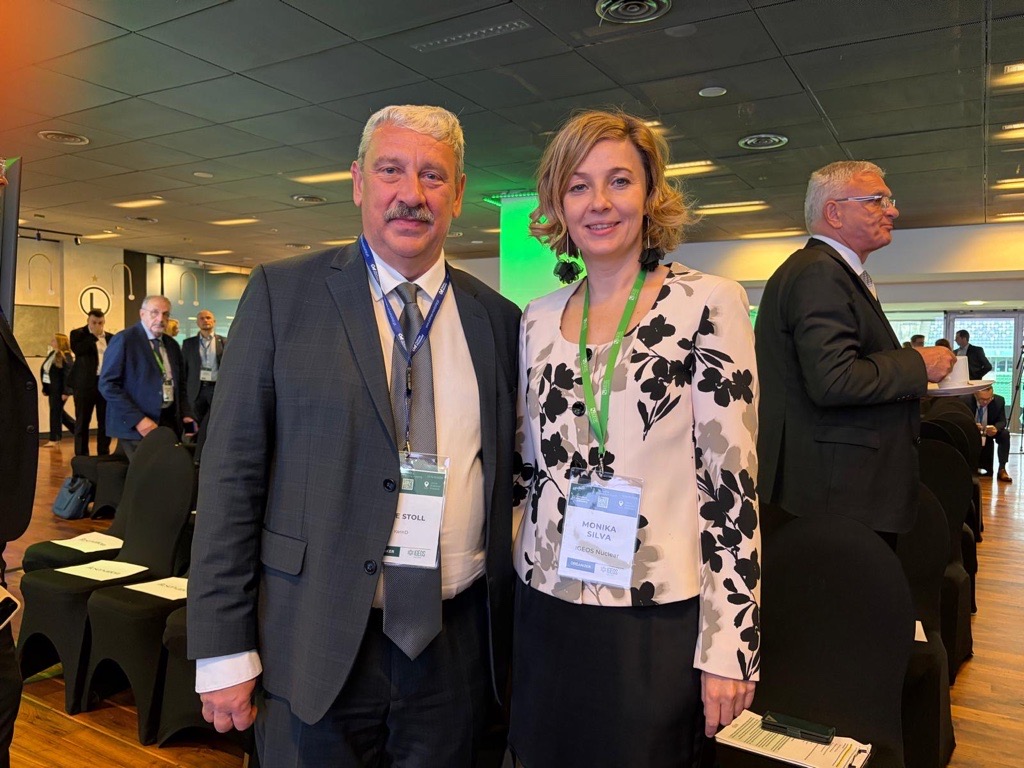
How can the existing capabilities of Europe’s nuclear industry be better connected and leveraged for new nuclear power projects? This question was at the heart of a panel discussion at the 4th Nuclear Energy Congress in Warsaw, in which Uwe Stoll participated as a representative of Kerntechnik Deutschland e. V. (KernD).
Under the title “European Experience in Building Nuclear Supply Chains – Lessons Learned for Poland”, he joined representatives of the European nuclear industry associations FinNuclear Association, Foro Nuclear, AIN and BULATOM to discuss experiences, challenges and key success factors in developing nuclear supply chains. The discussion was moderated by Berta Picamal Vicente from the European nuclear industry association nucleareurope.
German Nuclear Expertise for European New-Build Projects
Despite its national nuclear phase-out, Germany continues to have a strong nuclear industry with decades of experience. German companies offer extensive expertise across the entire nuclear value chain – from engineering and plant construction to components, safety systems and the nuclear fuel cycle.
These capabilities can make an important contribution to the implementation of new nuclear power projects across Europe. A key factor is ensuring that companies are involved at an early stage in the planning and development of international supply chains.
The discussions in Warsaw highlighted the importance of cross-border cooperation for the expansion of nuclear energy in Europe. Much of the necessary industrial expertise already exists within Europe. The challenge now is to bring these capabilities together strategically and make them available for upcoming projects.
For KernD, strengthening connections within the European nuclear industry is a key priority. Closer cooperation creates new opportunities for German companies to participate in international projects while helping to reinforce European supply chains and preserve existing expertise over the long term.