Info center Nuclear technology & nuclear energy
Data, facts, research and perspectives on the future of energy supply.
Topics
Select an area to learn more.
Nuclear Knowledge Center
Nuclear Technology as a Versatile Field of Application
Nuclear technology is far more than a means of generating electricity or a field concerned with decommissioning and final disposal. Nuclear expertise is required across a wide range of socially, scientifically and industrially relevant areas – from medical diagnostics and therapy to materials research, industrial applications of ionising radiation, space technology and fundamental research in physics.
This broad range of applications makes nuclear expertise an important asset for Germany as a centre of science and technology, irrespective of the future structure of its energy supply.
Preserving Knowledge. Passing on Expertise.
The future viability of an advanced industrial and knowledge-based society depends to a large extent on its ability to preserve scientific expertise, develop it further and pass it on to future generations. This is particularly true of nuclear technology.
Even after Germany’s phase-out of commercial nuclear power generation, numerous tasks remain for which highly qualified specialists and up-to-date scientific expertise are indispensable. These include the decommissioning and dismantling of nuclear facilities, radiation protection, safety research and the long-term management and disposal of radioactive waste.
At the same time, new reactor concepts, Small Modular Reactors (SMRs), nuclear fusion, nuclear medicine and other technological applications are creating new fields of research and expertise.
Research and Teaching with a Practical Focus
The future viability of an advanced industrial and knowledge-based society depends to a large extent on its ability to preserve scientific expertise, develop it further and pass it on to future generations. This is particularly true of nuclear technology.
Even after Germany’s phase-out of commercial nuclear power generation, numerous tasks remain for which highly qualified specialists and up-to-date scientific expertise are indispensable. These include the decommissioning and dismantling of nuclear facilities, radiation protection, safety research and the long-term management and disposal of radioactive waste.
At the same time, new reactor concepts, Small Modular Reactors (SMRs), nuclear fusion, nuclear medicine and other technological applications are creating new fields of research and expertise.
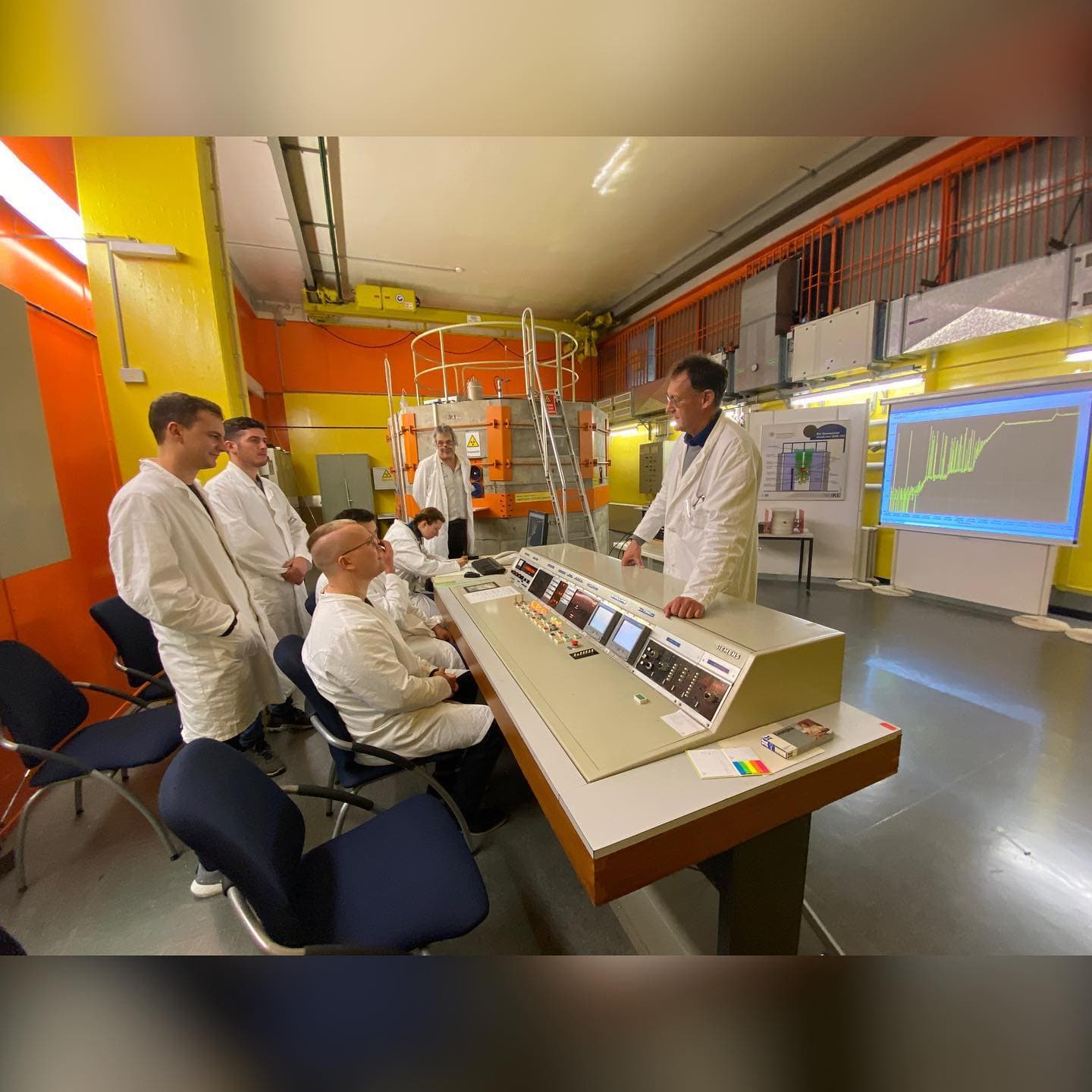
University of Stuttgart - Institute of Nuclear Technology and Energy Systems (IKE)
IKE combines research and teaching in the fields of reactor safety, energy systems and nuclear technology. Through practice-oriented education and current research projects, the institute makes an important contribution to preserving and further developing nuclear expertise.
- Stuttgart, Baden-Württemberg
Managing Director
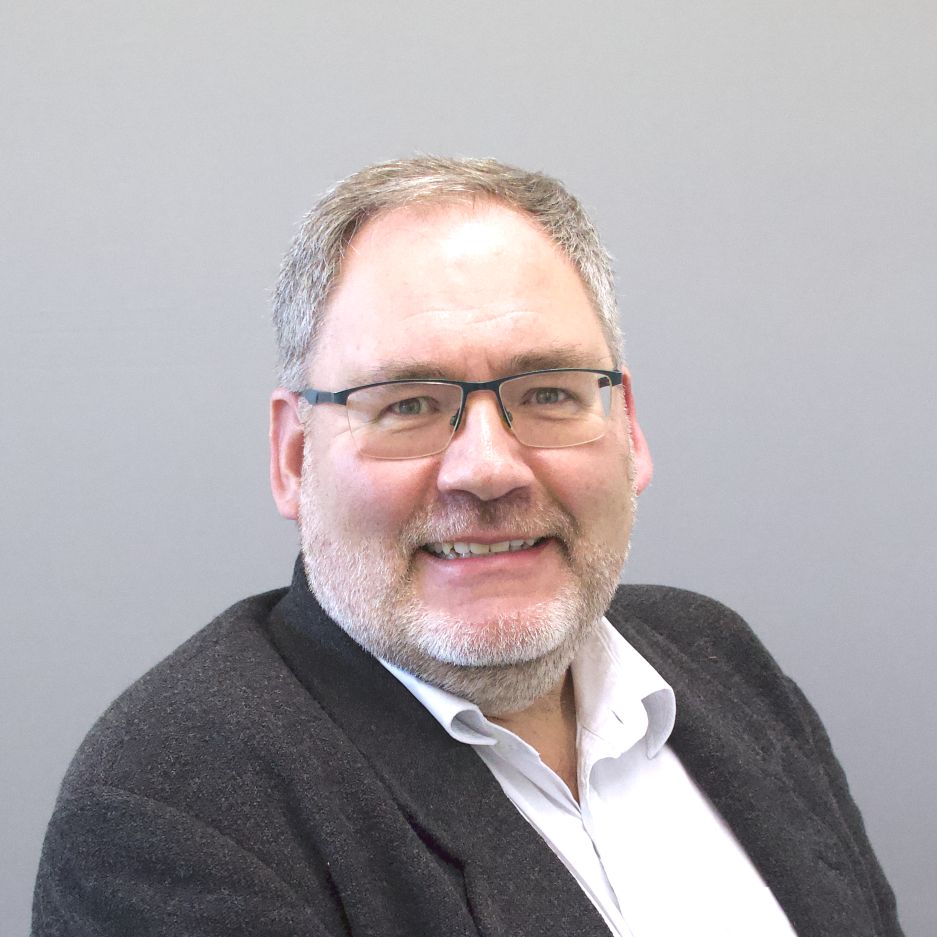
Prof. Dr.-Ing. Jörg Starflinger
Institute of Nuclear Technology and Energy Systems
- +49 711 685-62371
- info@ike.uni-stuttgart.de

Plant Simulation and Safety Group (PSS) - Ruhr University Bochum
The Plant Simulation and Safety Group (PSS) conducts research into the safety assessment of nuclear facilities and develops advanced simulation methods for this purpose. Its main areas of research include reactor safety, accident analysis, system codes and computational fluid dynamics (CFD).
- Bochum, Nordrhein-Westfalen
Head of Plant Simulation and Safety
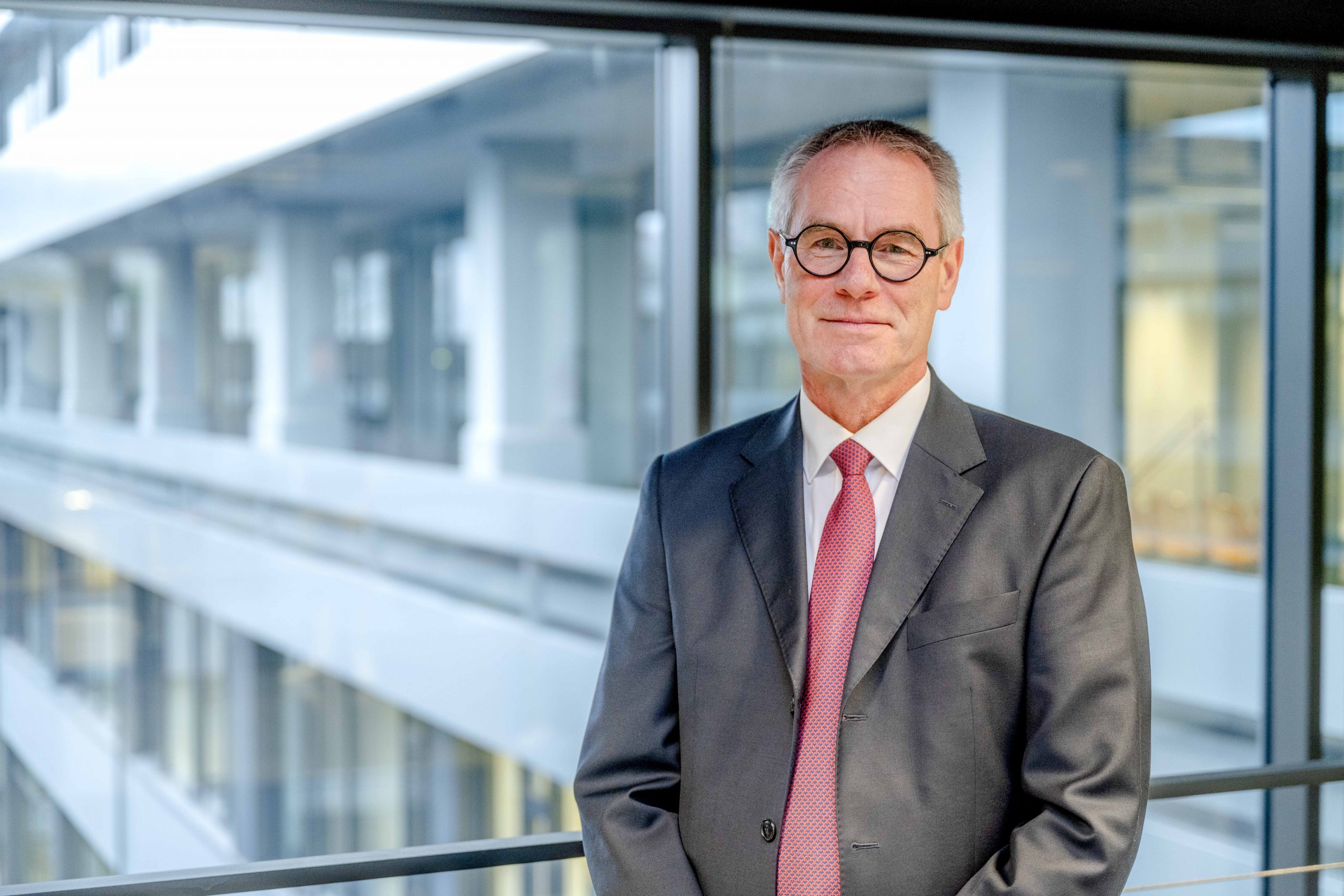
Prof. Dr.-Ing. Marco K. Koch
Ruhr University Bochum
- +49 234 32 26368
- marco.koch@pss.rub.de
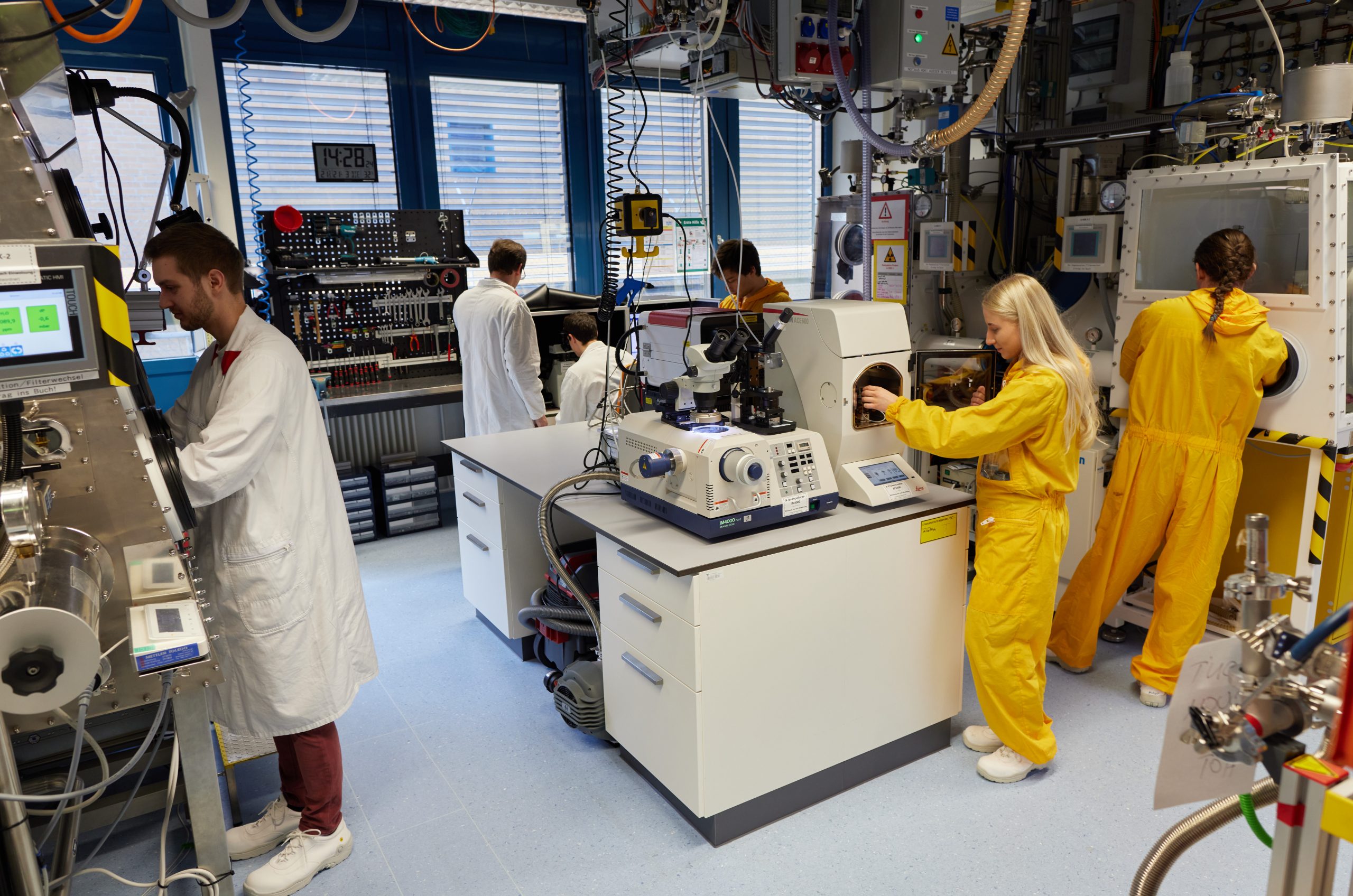
TUM Center for Nuclear Safety and Innovation (TUM.CNSI) - Technical University of Munich
TUM.CNSI combines research and teaching in nuclear safety and innovation with outstanding research infrastructure centred around the FRM II research reactor. Its main areas of research include advanced nuclear fuels, innovative reactor concepts and medically relevant radioisotopes.
- München, Bayern
Head of Nuclear Science
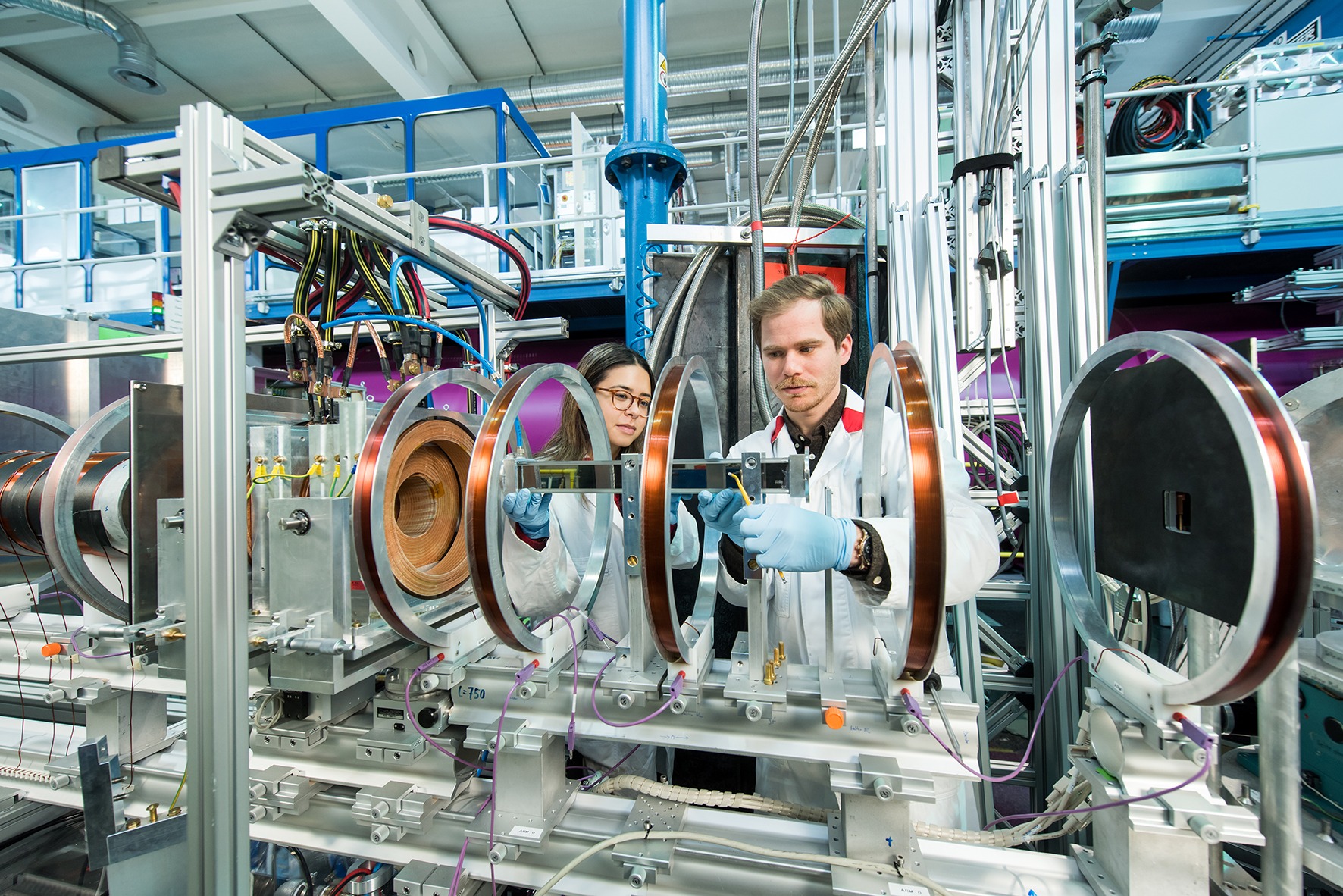
Dr. rer. nat. Tobias Chemnitz
Technical University of Munich TUM Center for Nuclear Safety and Innovation (TUM.CNSI)
- +49 89 289 54717
- tobias.chemnitz@tum.de
Head of Reactor Physics
Dr. rer. nat. Christian Reiter
Technical University of Munich TUM Center for Nuclear Safety and Innovation (TUM.CNSI)
- +49 89 289 13906
- Christian.Reiter@frm2.tu-muenchen.de
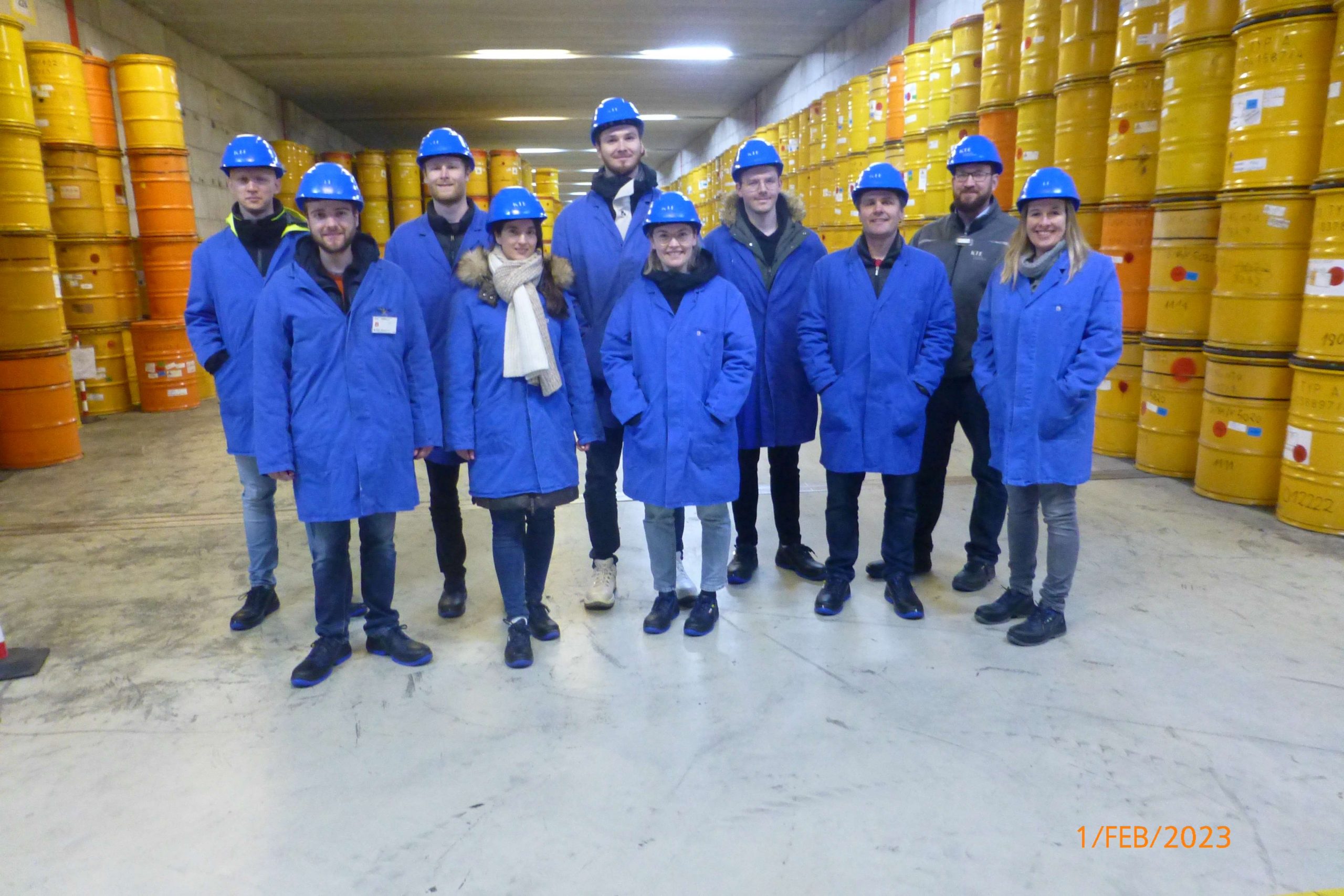
Karlsruhe Institute of Technology (KIT)
KIT combines research and teaching in the fields of nuclear safety and waste management. Its research focuses on the safety of nuclear facilities, the protection of people and the environment, decommissioning, materials monitoring and the long-term management and disposal of radioactive waste.
- Karlsruhe, Baden-Württemberg
Karlsruhe Institute of Technology (KIT)
Dr. Thomas Walter Tromm
Programme Spokesperson, Nuclear Waste Management, Safety and Radiation Research (NUSAFE) Scientific Spokesperson, KIT Energy Center
- +49 721 608-25509
- walter.tromm@kit.edu
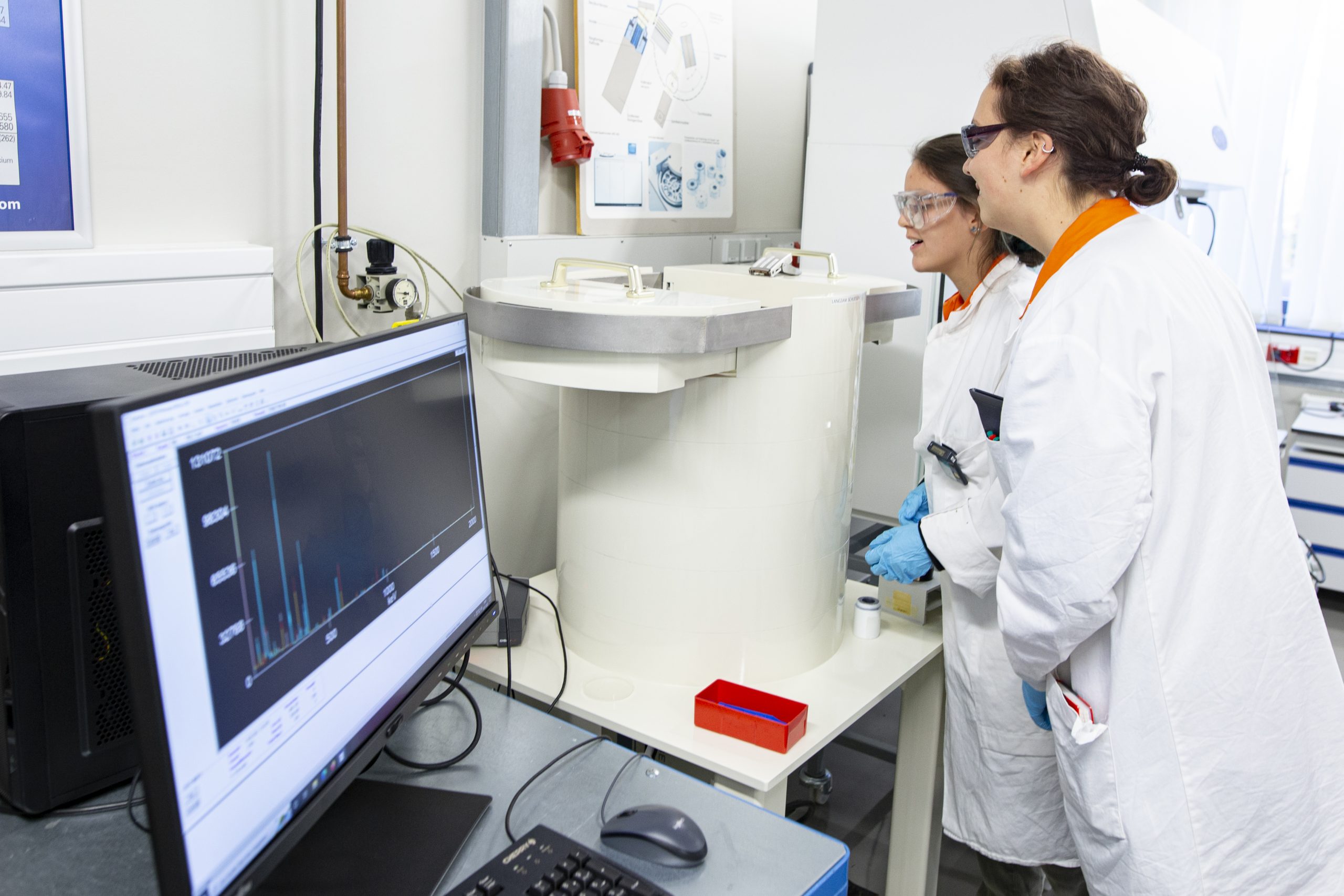
FH Aachen University of Applied Sciences
Through its Master of Nuclear Applications programme, FH Aachen combines practice-oriented education with international networking. The interdisciplinary degree programme prepares students for a wide range of applications of nuclear technologies – from energy and medicine to materials research.
- Aachen, Nordrhein-Westfalen
FH Aachen University of Applied Sciences
Prof. Dr. Christoph Langer
Radiation Protection Officer
- +49 241 6009 53149
- langer@fh-aachen.de
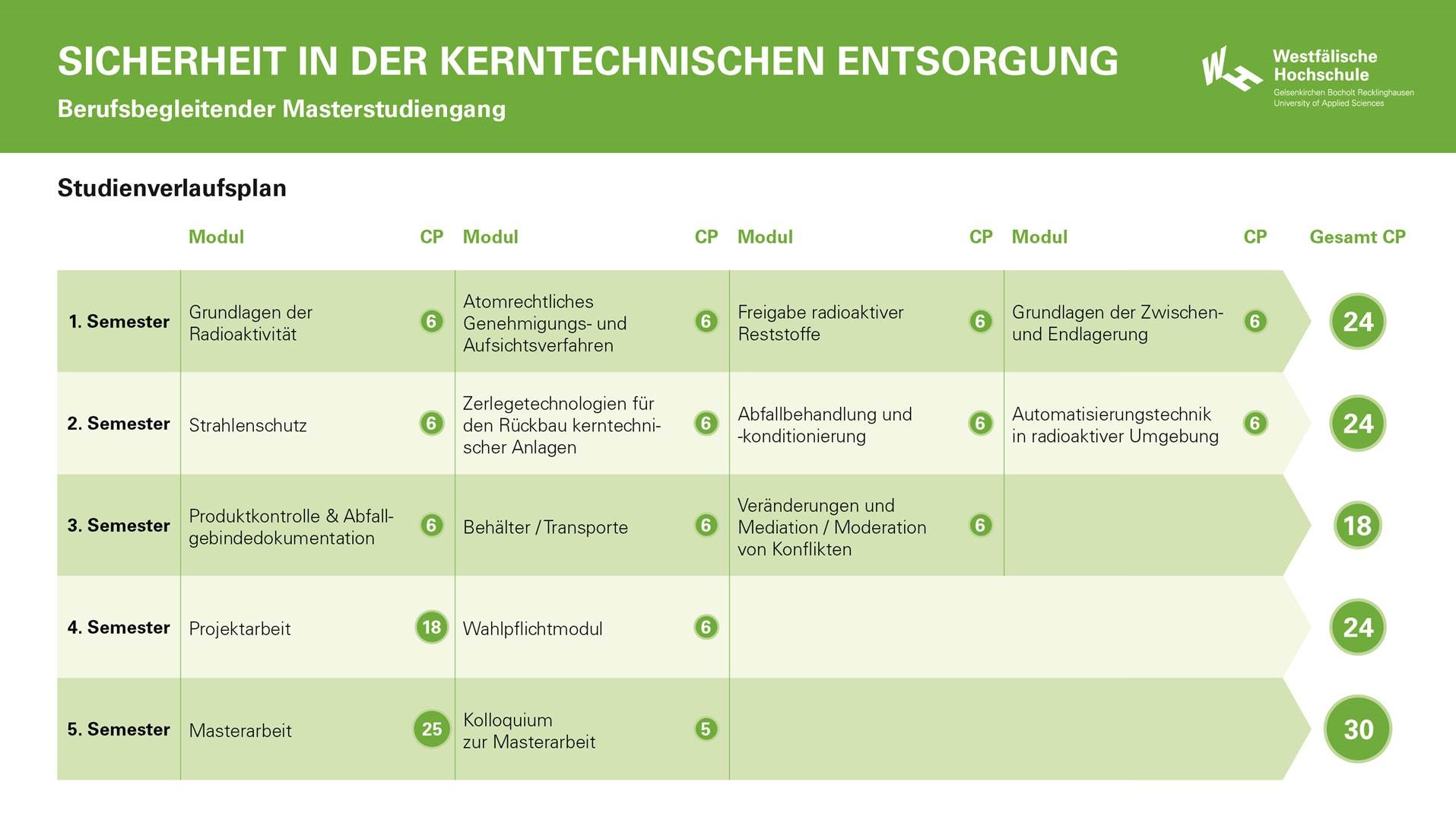
Westphalian University of Applied Sciences, Gelsenkirchen
With its specialised Master’s degree programme in nuclear waste management safety, the Westphalian University of Applied Sciences offers a new qualification pathway for working professionals. The programme covers the entire nuclear waste management process – from decommissioning and dismantling through to final disposal.
- Gelsenkirchen, Nordrhein-Westfalen
Westfälische Hochschule Gelsenkirchen
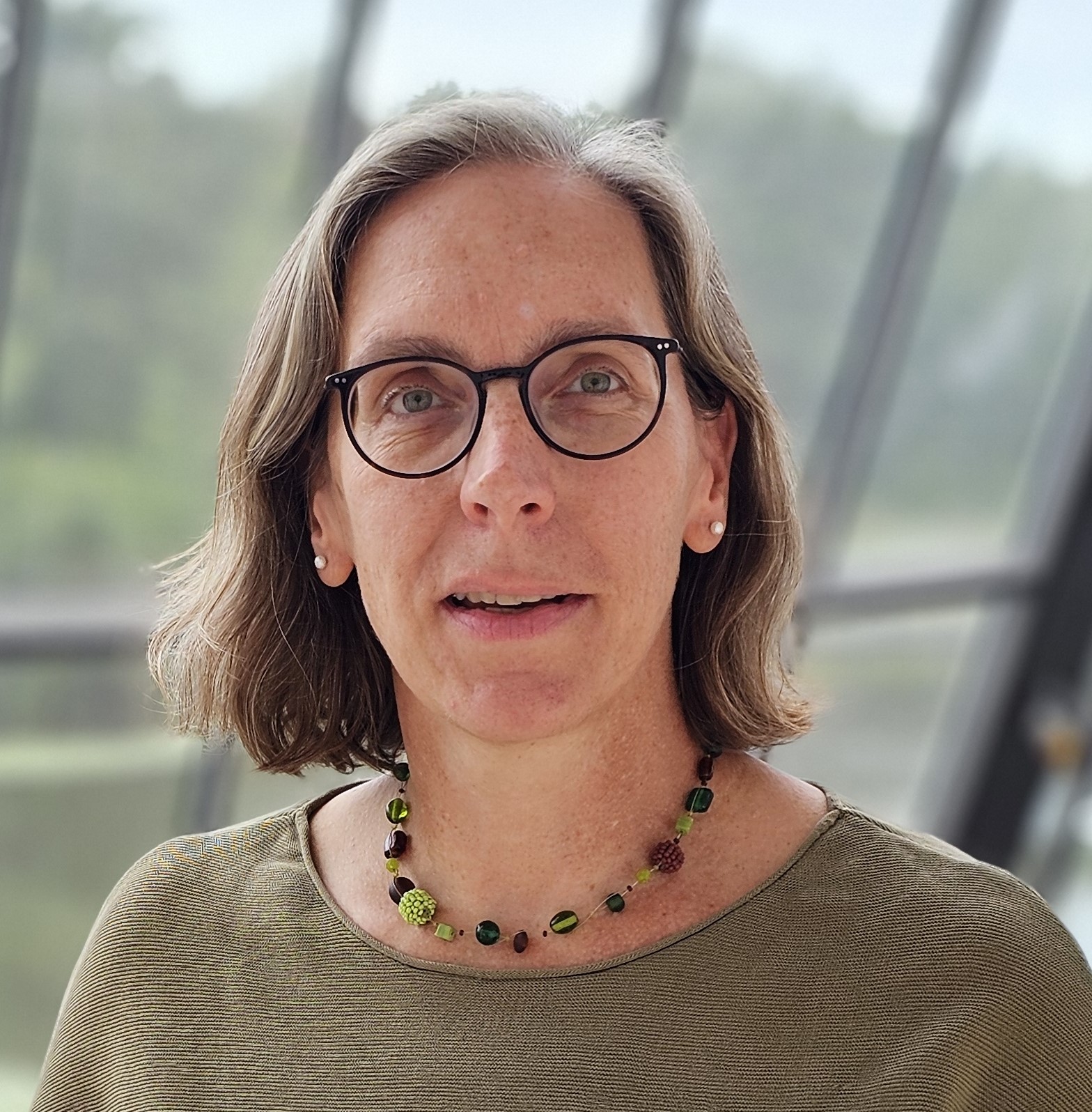
Prof. Dr. Daniela Gutberlet
Professor of Environmental Engineering & Logistics
- +49 209 9596 180
- daniela.gutberlet@w-hs.de
Westfälische Hochschule Gelsenkirchen
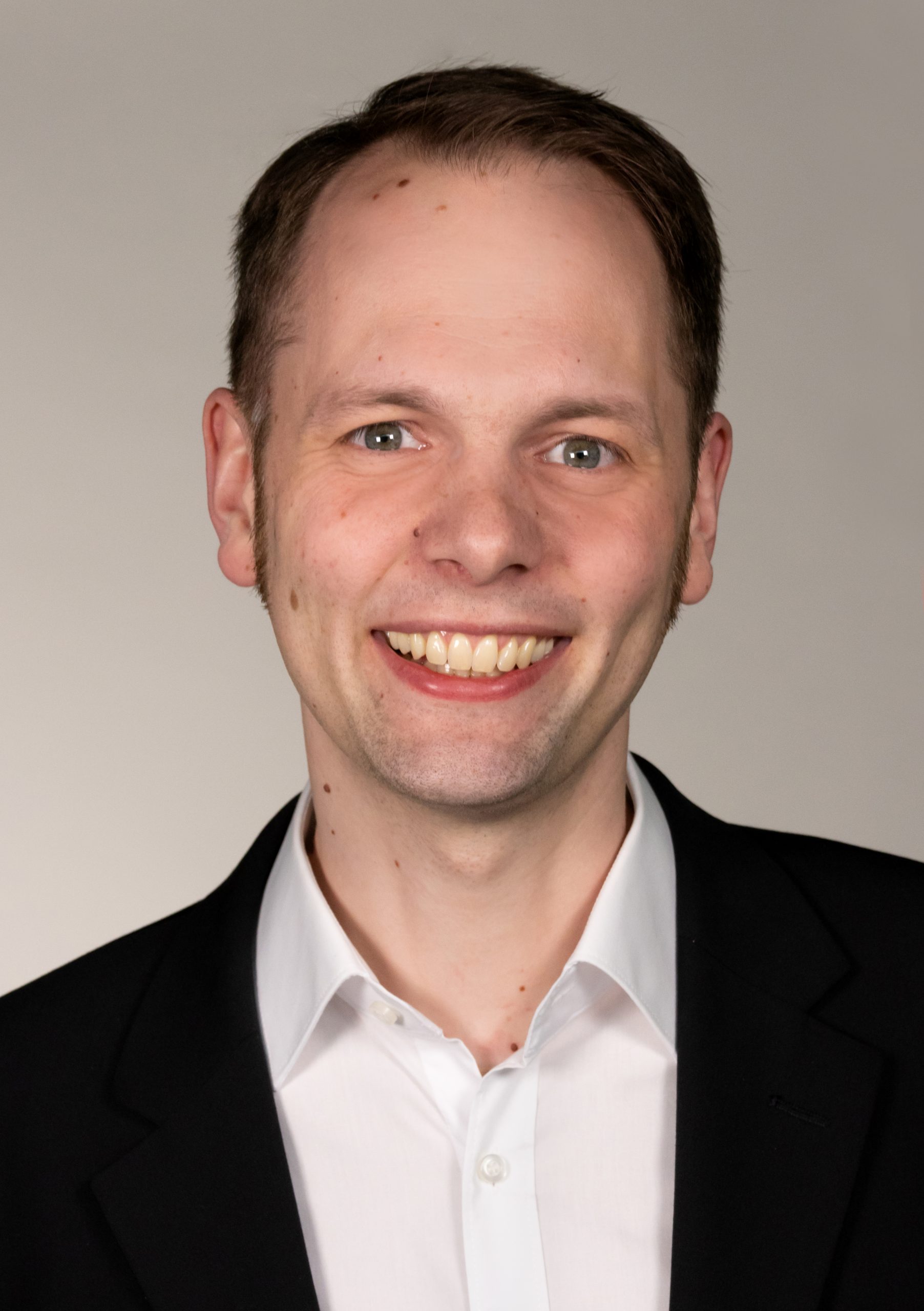
Dr. Jonas Menze
Quality Management
- +49 209 9596 8009
- jonas.menze@w-hs.de
Nuclear Technology as a Versatile Field of Application
Nuclear technology is far more than a means of generating electricity or a field concerned with decommissioning and final disposal. Nuclear expertise is required across a wide range of socially, scientifically and industrially relevant areas – from medical diagnostics and therapy to materials research, industrial applications of ionising radiation, space technology and fundamental research in physics.
This broad range of applications makes nuclear expertise an important asset for Germany as a centre of science and technology, irrespective of the future structure of its energy supply.
Preserving Knowledge. Passing on Expertise.
The future viability of an advanced industrial and knowledge-based society depends to a large extent on its ability to preserve scientific expertise, develop it further and pass it on to future generations. This is particularly true of nuclear technology.
Even after Germany’s phase-out of commercial nuclear power generation, numerous tasks remain for which highly qualified specialists and up-to-date scientific expertise are indispensable. These include the decommissioning and dismantling of nuclear facilities, radiation protection, safety research and the long-term management and disposal of radioactive waste.
At the same time, new reactor concepts, Small Modular Reactors (SMRs), nuclear fusion, nuclear medicine and other technological applications are creating new fields of research and expertise.
Research and Teaching with a Practical Focus
The future viability of an advanced industrial and knowledge-based society depends to a large extent on its ability to preserve scientific expertise, develop it further and pass it on to future generations. This is particularly true of nuclear technology.
Even after Germany’s phase-out of commercial nuclear power generation, numerous tasks remain for which highly qualified specialists and up-to-date scientific expertise are indispensable. These include the decommissioning and dismantling of nuclear facilities, radiation protection, safety research and the long-term management and disposal of radioactive waste.
At the same time, new reactor concepts, Small Modular Reactors (SMRs), nuclear fusion, nuclear medicine and other technological applications are creating new fields of research and expertise.
Nuclear Technology Basics
 Nuclear Technology in Everyday Life
40 Million
Nuclear medicine procedures performed worldwide every year
Nuclear technology is part of everyday life in many ways, often without us even noticing. In medicine, radioactive isotopes enable highly precise diagnostics and effective cancer treatments. More than 40 million nuclear medicine procedures are carried out worldwide every year.
Medical devices and food products are often sterilized using gamma radiation – a safe and efficient process that leaves no chemical residues. Nuclear technologies are also indispensable in industrial quality assurance, materials testing, and scientific research.
 Reactor Technologies
Generation IV
Advanced reactor concepts in development
From proven Light Water Reactors (LWRs) to advanced Generation III+ designs and innovative Generation IV concepts, reactor technology has evolved continuously over time.
Modern light water reactors such as the EPR (European Pressurized Reactor) and AP1000 set new standards in safety and efficiency. Small Modular Reactors (SMRs) promise greater flexibility and cost advantages through modular construction and standardized manufacturing.
Generation IV reactor concepts, including Molten Salt Reactors (MSRs), High-Temperature Reactors (HTRs), and Sodium-cooled Fast Reactors (SFRs), are exploring closed fuel cycles and may even offer the potential to reduce long-lived radioactive waste through transmutation.
 Safety as the Benchmark
Four Barriers
Multiple layers of containment for radioactive materials
Nuclear safety is based on a multi-layered system of independent protection. The fuel matrix, fuel cladding, reactor pressure vessel, and containment structure form physical barriers designed to prevent the release of radioactive materials.
Modern reactor concepts increasingly rely on passive safety systems that function without external power or human intervention. Natural forces such as gravity, convection, and evaporation provide cooling even in emergency situations.
The principle of defense in depth requires redundant, diverse, and layered safety systems. Each safety level is designed to function independently, ensuring that multiple lines of protection remain in place.
 Nuclear Fusion
ITER
The world’s largest fusion experiment (Q > 10)
Controlled nuclear fusion is widely regarded as a potential energy source of the future. Unlike nuclear fission, fusion combines light atomic nuclei into heavier ones – the same process that powers the sun.
ITER in southern France is the world’s largest fusion experiment. Its tokamak reactor is designed to produce significantly more energy from fusion than is required to sustain the reaction (Q > 10).
Germany’s Wendelstein 7-X is the world’s most advanced stellarator. This reactor design offers the potential for continuous operation without the pulsed plasma cycles required in tokamak systems. Through projects like these, Germany is helping shape the future of fusion research.
 Importance for Germany. Preserving expertise, shaping the future
Even as Germany phases out nuclear power, nuclear technology remains of strategic importance. Expertise in this area will continue to be needed – particularly for decommissioning, waste disposal, safety issues, and international cooperation in research and regulation.
At the same time, participation in global research and technology developments opens up opportunities for industrial policy and innovation. Maintaining and further developing nuclear expertise therefore remains a crucial building block for technological sovereignty and future viability.
Nuclear Energy at a Glance
The four key arguments for nuclear energy
Security of Supply
Nuclear energy provides reliable electricity around the clock – independent of weather conditions and time of day. This helps stabilize the grid and ensures a secure energy supply.
Climate Protection
At just 12 g CO₂/kWh, nuclear energy is among the lowest-emission forms of electricity generation – on par with wind and hydropower in delivering low-carbon electricity.
Economic Efficiency
Nuclear power plants have low operating costs and contribute to lower overall system costs. Investments are amortized over long operating lifetimes.
Resource Efficiency
The high energy density of uranium means minimal land use and material input. A single nuclear power plant occupying only a few hectares can replace hundreds of wind turbines.
Einordnung. Baustein im Energiemix.
Kernenergie verbindet Versorgungssicherheit, Klimaschutz und Ressourceneffizienz. In vielen Ländern ist sie daher ein fester Bestandteil langfristiger Energiestrategien.
Für die Transformation zu einem klimaneutralen Energiesystem wird zunehmend ein technologieoffener Ansatz verfolgt. Kernenergie spielt dabei – je nach nationalem Kontext – eine wichtige Rolle, insbesondere in Kombination mit erneuerbaren Energien.
Proof Points & Data
Facts and figures highlighting the global relevance of nuclear energy
23.3%
of EU electricity generation in 2024
came from nuclear energy – Europe’s largest single source of low-carbon electricity.
Nearly one in four kilowatt-hours generated in Europe comes from nuclear power.
Source: Eurostat 2024
€1.38 billion
EURATOM Programme 2021-2025
for research, safety, innovation, education, and new reactor technologies.
Europe is investing billions in nuclear innovation.
Source: EURATOM Programme
€330 million
Additional investments for 2026-2027
for fusion, SMRs, safety, and nuclear medicine.
The EU is actively expanding its nuclear technology research.
Source: European Commission 2026
79
reactors under construction worldwide
with around two-thirds in Asia and more than 100 additional reactors in planning.
Nuclear energy is growing globally – especially in future growth markets.
Source: World Nuclear Association
Medicine
Nuclear Technology Saves Lives Every Day
: More than 10,000 hospitals worldwide use medical radioisotopes. Around 50 million nuclear medicine procedures are performed every year.
“Modern diagnostics and cancer treatment would hardly be conceivable without radioisotopes.”
https://world-nuclear.org/information-library/non-power-nuclear-applications/radioisotopes-research/radioisotopes-in-medicine
Fusion
International Collaboration for the Energy of the Future
34 countries are working together on the international fusion project ITER – one of the world’s largest research and technology initiatives.
“Fusion is among the most ambitious energy projects in the world.”
https://www.iter.org/
Jobs
Nuclear Technology Is European Industrial Policy
Europe’s nuclear industry supports around 1 million jobs and connects thousands of companies across the nuclear value chain.
“Nuclear technology is one of Europe’s most important industrial networks.”
nucleareurope Facts & Figures
Long-Term Operation
Long-Term Operation Is an Established International Practice
Around 30% of the world’s reactors are already operating under long-term operation programs. Many modern nuclear power plants today are designed to operate for 60 to 80 years.
“Making continued use of existing infrastructure saves costs, resources, and emissions.”
https://www.oecd-nea.org/jcms/pl_60310/long-term-operation-of-nuclear-power-plants-and-decarbonisation-strategies
Annual Conference 2026
On 21 May in Berlin, KernD will host this year’s Annual Conference at Wartehalle Berlin.
Under the guiding theme “Industry of the Future”, the event will bring together selected voices from industry, science, politics, and the media. The discussions will focus on key questions surrounding European energy sovereignty and the role of technological innovation, particularly in the field of nuclear technology, in strengthening competitiveness and security of supply.
The Annual Conference is designed as an exclusive forum for open, informed exchange among a distinguished group of participants. Attendance is by invitation only.
- 11. May 2026
Program Overview
Program Overview
9:00 AM – Admission and welcome
9:30 AM – Opening remarks
by Dr. Martin Pache & Nicole Koch (KernD)
9:35 a.m. – Political Impulse
- 5. May 2026
9:50 a.m. – Panel 1: Europe is rebuilding
With representatives from politics and industry, including Hidde Baars (Nucleair Nederland) and Carl Berglöf (Ministry of Climate and Enterprise Sweden)
11:00 AM – Coffee break
- 15. April 2026
3:30 p.m. – Panel 3: Final Disposal – Europe's Success Stories
Insights into repository strategies from Finland, Switzerland and Germany: Mika Pohjonen (Posiva Solutions), Philipp Senn (Nagra), Dagmar Dehmer (Federal Company for Radioactive Waste Disposal), Franklin Servan-Schreiber (Transmutex)
4:30 p.m. – Coffee break
- 28. April 2026
11:30 a.m. – Panel 2: SMR as a European industrial project
With contributions from leading European companies and organizations: Kalev Kallemets (FERMI Energia), Dr. Magnus Mori (Urenco), Tobias Ravn Thomas (Copenhagen Atomics), Emmanuel Brutin (nucleareurope)
12:30 pm – Lunch
2:30 p.m. – Keynote: Power and heat requirements of hyperscalers
3:00 p.m. – Discussion
- 28. April 2026
4:50 PM – Panel 4: Acceptance & Narratives:
What we can learn from our neighbors: Perspectives from Finland, Switzerland, and Poland: Atte Harjanne (Finnish Greens), Lukas Aebi (Swiss Nuclear Forum), Jakub Wiech (Energetyka24) 5:50 p.m. – Closing remarks: What does this mean for Germany? Dr. Martin Pache (KernD) 6:15 p.m. – Get-together The conference offers the opportunity to contextualize current developments in European energy policy, learn from one another, and jointly develop perspectives for the industry of the future. Nicole Koch is available for further information and questions about the event.
Decarbonizing heat: Why nuclear energy is part of the solution
The transformation of district and process heat is one of the greatest challenges of the energy transition. While renewable technologies make important contributions, they reach their limits, particularly at high temperatures, with continuous demand, and with seasonal fluctuations. This special issue of atw – International Journal for Nuclear Power – shows how innovative nuclear concepts can close these gaps: technically, economically, and legally.
Download the special edition PDF
From small modular reactors for district heating to high-temperature reactors for industrial processes, this issue highlights specific applications, current projects, and regulatory frameworks. It makes clear that nuclear energy can make a crucial contribution to reconciling security of supply, competitiveness, and climate protection – especially in the heating sector, which has often been underestimated.
Germany's nuclear phase-out is not a law of nature
On March 21, 2026, an opinion piece by our managing director, Nicole Koch, was published in the Berliner Zeitung. Against the backdrop of current energy policy developments in Europe, she argues for an open and objective reassessment of nuclear energy in Germany.
Download the PDF of the article
Germany’s nuclear phase-out is not a law of nature
Why Europe is rediscovering nuclear energy – and why we too must rediscover the courage to debate
Let me begin with a request: Try for a moment to open yourself up and change your perspective. Some questions you don’t ask yourself as a politician or as an expert, but as a mother.
Will my children one day live in a country where energy is reliably available? Where electricity remains affordable? Where industry, research, and innovation continue to create opportunities? Or in a country that jeopardizes its future because it loses the courage to make necessary decisions? This isn’t just about energy supply, but also about securing jobs, preserving research, education, and technical expertise, and ensuring economic opportunities for future generations.
These questions aren’t abstract for me. They’re personal. And they’re the reason I’ve worked in nuclear technology for more than twenty years.
Today I head the industry association Kerntechnik Deutschland eV and the German Nuclear Society eV
I’m not an engineer, a reactor operator, or a nuclear physicist. But I know this field. I’ve worked with scientists, engineers, and specialists for two decades, reading studies, discussing technical concepts, and translating them into understandable language. I don’t talk past experts, but with them.
Perhaps that’s why I’m particularly disturbed by the way nuclear energy is discussed in Germany. Too often, it’s not about facts, but about personalities. Not about arguments, but about denigration. Precisely because it concerns the future of our country, this is disastrous. What we need is not posturing, moralizing rhetoric, or ideological knee-jerk reactions. What we need is, finally, a sober, fact-based debate.
While Germany long believed it had definitively closed the book on nuclear energy, the world around us has moved on. Europe is changing. EU Commission President Ursula von der Leyen recently described the move away from nuclear power as a “strategic mistake” and presented measures to correct it. Chancellor Friedrich Merz initially stated that he shared this assessment, only to claim shortly afterward that Germany’s nuclear phase-out was “irreversible” because previous governments had decided on it.
That may be politically convenient, but factually it’s simply wrong. In a democracy, hardly anything is irreversible. Laws can be changed. That is precisely the core of parliamentary politics. Anyone who claims otherwise doesn’t want to have a debate, but rather to end it. But the debate is already underway. Among our neighbors in Europe and increasingly in Germany as well.
In many European countries, there is now a very pragmatic discussion about what a secure, climate-friendly, and affordable energy supply can look like. Poland is building its first fleet of nuclear power plants. Sweden is planning additional reactors. Great Britain is investing in new plants as well as small modular reactors. France is extending the operating lives of existing plants and building new capacity. Belgium has reversed its decision to phase out nuclear power. The Netherlands, the Czech Republic, Romania, Slovenia, and Bulgaria are also investing. Even countries like Denmark, Italy, and Switzerland are openly re-examining the use of nuclear energy. In short, Germany and Austria are increasingly isolated in their categorical rejection.
Many countries face the same challenges as we do: rising energy prices, geopolitical uncertainties, and the need to drastically reduce CO₂ emissions. Nuclear energy fulfills three characteristics that are crucial for modern energy systems: it is low in CO₂ emissions, it reliably provides electricity and thus ensures the urgently needed baseload power supply, and it can enable stable electricity prices in the long term.
Renewable energies are and will remain a central component of the energy transition. However, their increasing share also makes it clear that an energy system relying solely on weather-dependent energy sources places enormous demands on grids, storage facilities, and backup capacities. Many European countries are drawing a pragmatic conclusion from this: they are combining renewable energies with nuclear power.
Another aspect is gaining increasing importance these days: the resilience of our energy system. The massive expansion of wind and solar energy requires large quantities of metals and specialized materials, the production of which is currently heavily concentrated in just a few countries. Surprisingly little is said about this in Germany, even though these dependencies significantly influence the resilience of our energy system. Nuclear energy has a stabilizing effect here. It requires comparatively few raw materials and provides a continuous energy supply. In addition, the fuel has a high energy density. Uranium can be reliably sourced worldwide and stored for years. Strategic reserves are possible, a very important factor in a geopolitically uncertain world.
Currently, so-called Small Modular Reactors (SMRs) are receiving a great deal of international attention. These reactors are significantly smaller than conventional nuclear power plants and are largely prefabricated industrially. This enables standardized manufacturing, shorter construction times, and lower costs per plant.
SMRs can not only generate electricity but also provide heat for industrial processes and hydrogen, which represents a crucial advantage for an industrialized country like Germany.
In addition, there is an industrial policy point that is unfortunately too rarely addressed in the German debate. Germany continues to possess considerable expertise in nuclear technology, from centrifuge manufacturing and uranium enrichment to fuel element production, highly specialized component manufacturing, and measurement and control technology. This expertise is used worldwide; German technology is in demand internationally. German companies remain successful suppliers for international reactor programs. And rightly so! For decades, our plants were among the most efficient in the world. We were multiple world champions in electricity production and are true champions in our field. Germany is also considered an international role model when it comes to safety. This knowledge and experience represent an industrial treasure that must not simply disappear but should be utilized and further developed.
Universities and research institutions are also successfully integrated into international programs and contribute to the development of nuclear technologies in Europe and the rest of the world. In other words, Germany still possesses a large part of the industrial value chain required for modern nuclear technologies. However, this expertise will not be retained automatically.
Because if Germany continues to insist on its phase-out decision against its better judgment, there is a risk that these competencies will also be gradually lost. Once the root is cut, the plant above it also dies. Our economy benefits even if there is no immediate political re-entry into nuclear power, as a supplier for international reactor programs.
Therefore, Germany now needs a comprehensive approach. A future-oriented energy and technology policy should not view nuclear energy in a one-dimensional way, but rather pursue a two-pronged strategy: the development and use of SMRs in the near future and, in the long term, the promotion of nuclear fusion. Both technologies must be top priorities and supported equally consistently so that they become available as quickly as possible.
Moreover, both technologies are based on the same scientific foundation and complement each other perfectly. SMRs could contribute to the energy supply as early as the 2030s. Nuclear fusion, on the other hand, is not expected to be commercially available until after 2040. Today’s nuclear engineering expertise secures the industrialization of fusion tomorrow.
Before Germany continues this debate, it’s worth taking a look at some particularly persistent misconceptions. Uranium is by no means only available in Russia. Large deposits exist in places like Canada and Australia, and further significant reserves can be found in Kazakhstan, Africa, and South America.
When it comes to the issue of nuclear waste repositories, it’s also worthwhile to look beyond Germany’s borders. The fact that Germany doesn’t yet operate a repository is largely due to political decisions. Technically, safe solutions have long been available, and site selection processes have been successfully completed. Finland is leading the way and will commission its repository this year.
Sites have been selected in France, Switzerland, and Sweden, and there are very good prospects for the implementation of repositories in these countries.
The financing of nuclear waste disposal in Germany is also regulated. With the Fund for Financing Nuclear Waste Disposal (KENFO), established in 2017, the operators of German nuclear power plants have paid approximately €24 billion into a federal public foundation. This fund finances interim and final storage, and not, as is often claimed, the general public. Moreover, in some cases, a final repository of this size would not even be necessary. Spent fuel elements are not waste, but a valuable raw material that could be reused in the near future, if desired.
Of course, nuclear energy cannot solve all the world’s problems. No technology can. There is simply no such thing as a “jack-of-all-trades.” The crucial question, however, is: Can we afford to completely rule out a functioning, low-CO₂, and baseload-capable technology? Most of the European countries around us answer this question with a clear “yes to nuclear energy.”
Germany should at least have the courage to face this issue honestly. Not ideologically, but pragmatically. Because energy policy determines far more than electricity prices. It determines industrial value creation, security of supply, and the economic future of our country. Europe has begun to reassess this reality. Germany should no longer avoid this debate.
And perhaps it is also worth considering this question from the perspective of a mother who wants her children to grow up in a country that shapes its future and does not jeopardize it completely unnecessarily.
WNE 2027: German joint stand planned under the KernD flag
Building on the success of the German Pavilion at WNE 2025, KernD is once again organizing a joint German trade fair appearance, the “German Village”, for WNE 2027 in Paris from December 7th to 9th.
The goal is a central joint stand under the KernD flag, serving as a meeting point, platform for exchange, and service point for all participating companies. At the same time, individual presentation areas and sales options will remain possible.
The advantages of participation at a glance:
- Premium presence: central location at the trade fair with maximum visibility
- Combined appeal: pooled German innovative power
- Individual options: own presentation area and sales activities
- Full service: Coordination, stand construction and logistics by KernD
- Networking & Hospitality: Exchange with international partners in a German atmosphere
To plan the overall area and stand design early on, KernD is currently conducting a survey of interest among German companies. This will allow us to ensure a strong, visible, and well-organized German presence at WNE 2027.
Register your interest in participating
The KernD team is always available for questions or ideas.
Nuclear Technology Germany e. V. appoints new managing director
Effective February 1, 2026, Nicole Koch will assume the management of Kerntechnik Deutschland e. V. (KernD) and INFORUM Verlags- und Verwaltungsgesellschaft mbH. With this decision, the association strengthens its position as an objective, well-founded, and future-oriented voice for nuclear technology in Germany and Europe.
Nicole Koch has over 20 years of experience in nuclear engineering and brings extensive technical, organizational, and communication expertise. Since 2019, she has held key positions within the association and has significantly shaped its work. These include, among other things, editing the atw – International Journal for Nuclear Power, managing events for KernD and the German Nuclear Society (Kerntechnische Gesellschaft e. V.), as well as strategic communication and public relations tasks. During this time, she has built a broad and effective network within the nuclear engineering community.
“With Ms. Koch, we are gaining a managing director who ideally combines professional depth, communicative strength and many years of association experience,” says Thomas Seipolt, Chairman of the Board of KernD.
“It stands for continuity as well as for the further development of our work at the national and European level.”
KernD stands for a fact-based, scientifically sound, and future-oriented positioning of nuclear technology. With its new management, the association aims to further expand its visibility, intensify professional and societal dialogue, and actively participate in shaping the framework for a potential restart of nuclear energy in Germany.
Nicole Koch explains:
“A secure and climate-friendly energy supply requires one thing above all: realism. A look back shows the contribution nuclear energy has made over decades, and a look ahead makes it clear that it will not be possible to do without it in the energy mix in the long term. My goal is to further position KernD as a strong, reliable, and European-networked voice and to actively promote objective dialogue about the role of nuclear energy.”
At the same time, Kerntechnik Deutschland e. V. (Nuclear Technology Germany) extends its sincere thanks to Dr. Thomas Behringer for his many years of dedicated and reliable service. He has accompanied, shaped, and continuously developed the association over many years. His retirement marks the end of a defining period for KernD. The association wishes him all the best for this new chapter in his life.
To provide a positive impetus in energy policy with nuclear energy
The report on energy transition monitoring was actually expected to provide a positive impetus for Germany’s economic prospects through a reoriented energy policy, a signal of a new beginning after the self-inflicted dead end of the previous energy transition policy, which is leading to ever-increasing costs for electricity customers and taxpayers. Instead, the report continues to be dominated by unshakeable dogmas, namely the massive expansion of renewable energies, “climate neutrality” in all its conceptual vagueness, and the taboo surrounding nuclear energy, revealing significant gaps in knowledge and understanding after 25 years of energy transition policy.
His vision exuded resignation and fatalism and was characterized by the principle of damage control without any truly forward-looking, positive perspective. A steady industrial and thus overall economic decline of Germany, which ultimately drags the entire country down in all areas of life and social strata, eroding prosperity and development levels across the board, has apparently now become the established narrative in politics and economics.
This impression is largely due to the failure to consider the energy-economic potential of nuclear power, both in the form of medium-term reactivation of existing power plants and a long-term new construction strategy. As studies abroad demonstrate, which have already addressed some of the knowledge gaps revealed in the monitoring, such as those concerning costs, nuclear power enables significant savings in system costs, particularly through lower grid costs. Furthermore, a substantial long-term share of nuclear energy would guarantee fundamental grid stability without additional measures, simplify grid management, and reduce its annual costs. Moreover, the use of nuclear power would reduce land consumption for renewable energy and grid expansion, require fewer resources, and, compared to the expansion of renewable energies, enable greater domestic and European value creation, which would also reduce strategic dependencies.
Last but not least, an energy transition that incorporates nuclear power would significantly reduce the need to build new fossil fuel power plants, thus making a substantial contribution to climate policy in addition to all the aforementioned positive effects on economic efficiency and security of electricity supply. This contribution, unlike current energy transition policies, is actually feasible, financially viable, and therefore achievable.
From a socio-political and economic-psychological perspective, taking this path would also be precisely the kind of positive and forward-looking disruption compared to the previous policy of economic decline, signaling a real new beginning and a genuine turning point in politics and the economy.
Dr. Martin Pache is the new spokesperson for Kerntechnik Deutschland eV.
Effective August 2025, Dr. Martin Pache will assume the new honorary position of spokesperson for Kerntechnik Deutschland eV (KernD). In this role, he will represent the association as its public voice – in interviews, at specialist events, and on social media.
The aim of his work is to raise awareness of the expertise in German nuclear technology, to contextualize current developments, and to strengthen dialogue with the public, policymakers, and the media. Dr. Pache contributes his many years of experience in the nuclear industry and seeks to bridge the gap between technical expertise and societal discourse.
By appointing a spokesperson directly from industry, KernD is responding to the increased need for technically sound and easily understandable communication. Dr. Pache stands for objective, fact-based, accessible, and open communication to clarify the contribution of nuclear technology to a safe, climate-friendly, and reliable energy supply, and to raise public awareness of nuclear technology as an innovative German high-tech sector.
In my 22 years in nuclear technology, I’ve witnessed many developments, discussions, and political about-faces. In 2024, I testified before the second parliamentary inquiry committee of the German Bundestag on the topic of fuel element deliveries. It was then, if not before, that I realized how unprofessional the discourse surrounding nuclear energy is in Germany. We as an industry have also contributed to this by communicating cautiously and defensively. I would like to change that – it’s time we inspired the younger generations with a passion for nuclear technology!
Dr. Martin Pache has been with Westinghouse for over 20 years. He studied general mechanical engineering in Darmstadt and subsequently earned his doctorate in product development in Munich. He then joined Westinghouse as a design engineer. His career path has included roles such as project manager, customer service representative, technical marketing manager, quality and safety manager, and engineering director. Many of these positions took him abroad, particularly to the USA, South Africa, and throughout Europe. Since 2023, he has been the Managing Director of Westinghouse Electric Germany.
Achieve the 2045 climate targets with a nuclear power restart!
Save up to 65 million tons of CO2 !
Achieve the 2045 climate targets with the nuclear power restart!
Reducing CO2 emissions while simultaneously strengthening the economy: these are the two priority tasks for the new federal government. The solution is obvious: six nuclear power plants can be restarted in Germany!
- Saving CO2 with nuclear power: Baseload power is essential for the energy transition. This can be provided by coal-fired power plants or – not yet available – gas-fired power plants. Alternatively, six existing nuclear power plants could be brought back online. Nuclear power instead of coal-fired power saves approximately 65 million tons of CO2 per year ( around 10% of Germany’s total emissions!). Nuclear power instead of gas-fired power saves around 30 million tons per year.
- Save on electricity costs with nuclear power: Nuclear power plants provide affordable electricity – for industry and private households. Up to six nuclear power plants can be safely reactivated and would then remain available until around 2050. Electricity is supplied according to demand and is predictable, as the power plants were already part of Germany’s electricity infrastructure. Furthermore, the increasing reliance on electricity imports from other European countries (net electricity imports in 2024: 32 TWh) and the associated dependence on third parties is reduced. Independent and competitive industrial electricity is thus within reach, and harmful price fluctuations in the electricity market decrease.
The fact is: Restarting up to six nuclear power plants is technically feasible. But time is of the essence. The restart check, the immediate pause in decommissioning, is crucial. The faster the decision is made, the less money it will cost – and the sooner these power plants, which provide baseload power, are climate-friendly, and reduce electricity costs, can be reconnected to the grid.
Thomas Seipolt
“Nuclear power can contribute significantly to Germany’s climate goals and would even reduce the costs of electricity supply.”
NUKEM Technologies Engineering GmbH, CEO of KernD
Carsten Haferkamp
“The decision regarding the restart of nuclear power plants lies with the German Federal Government, which must create the necessary framework. One thing is certain: electricity from nuclear power plants is a crucial pillar for reducing CO2 emissions in the short term and strengthening the competitiveness of the economy through affordable electricity costs. As the builder of Germany’s nuclear power plants, Framatome is familiar with the facilities and possesses the expertise to implement the necessary steps for a safe restart of the plants.”
Managing Director of Framatome GmbH, Deputy Chairman of KernD
Dr. Jörg Harren
“Supplying power plants with nuclear fuel is entirely possible. It makes sense to seriously consider this option. It benefits climate protection, security of supply, and also independence from Russia. And last but not least, the competitiveness of industry in our country.”
Managing Director of Urenco Deutschland GmbH, Deputy Chairman of KernD
Dr. Martin Pache
“Nuclear energy would be the perfect complement to renewable energies in Germany. Restarting nuclear power plants is possible even before 2030 – without compromising nuclear safety. We at Westinghouse are ready to support Germany on this right path into the future with our international expertise. We will provide the products and services needed for restarting and operating German power plants.”
Managing Director of Westinghouse Electric Germany GmbH, Member of the Board of KernD
Dr. Aldo Weber,
“Nuclear technology made in Germany is internationally successful. The industry is ready to make the return of local nuclear power plants possible.”
Managing Director of Siempelkamp NIS Ingenieurgesellschaft mbH, Member of the Board of Directors of KernD
Prof. Dr.-Ing. Marco K. Koch
“Supplying power plants with nuclear fuel is entirely possible. It makes sense to seriously consider this option. It benefits climate protection, security of supply, and also independence from Russia. And last but not least, the competitiveness of industry in our country.”
“In Germany, we have extensive expertise in the safe and efficient operation of nuclear power plants. Our nuclear engineering departments and research institutions are also ready to enable the reuse of nuclear power through training opportunities and their know-how.”
Dr. Thomas Walter Tromm
“Germany still needs expertise in nuclear technology. We must maintain the network of competence among research institutions, universities, and innovative companies, and attract young talent. Recommissioning nuclear power plants in Germany brings economic benefits as well as advantages for the environment and will significantly and effectively promote the retention and development of expertise. Germany should not let this opportunity to remain competitive internationally slip away.”
Program spokesperson for Nuclear Waste Disposal, Safety and Radiation Research (NUSAFE) at the Karlsruhe Institute of Technology
Dr. Axel Pichlmaier
“Germany needs research reactors for applications in research, medicine and industry. Synergy with nuclear power plants would be of great benefit.”
Technical Director of the Research Neutron Source Heinz Maier-Leibnitz, Member of the Board of KernD
Frank Apel
“The German nuclear engineering community strongly supports the restart of our safe nuclear power plants.”
We are of course available for all details and further questions!
Chairman of the Board of the German Nuclear Society (Kerntechnische Gesellschaft eV), Member of the Board of KernD
Germany's electricity restart with nuclear power
A new energy supply for Germany with nuclear power:
Safe. Affordable. Always available. Now!
Germany has voted – and now faces another crucial election.
It is high time to make the right decision for a stable and sustainable energy policy. Deindustrialization, excessively high electricity prices, dependence on electricity imports, and the uncertain supply situation must end now!
Our offer to the new federal government:
- Reliable baseload power supply – weather-independent & CO2 – neutral
- Competitive electricity prices for industry – today and tomorrow
- Independence from electricity imports – for a stable and sovereign energy supply
The fact is: Restarting up to six nuclear power plants is technically possible. But time is of the essence. The faster the decision is made, the less money it will cost – and the sooner these baseload-providing, climate-friendly power plants can be reconnected to the grid.
The advantages of continuing to operate German nuclear power plants:
- Nuclear energy knows no periods of low electricity generation: It provides safe, affordable and CO2 -neutral electricity around the clock !
- Industry will remain in Germany: Companies need reliable and affordable electricity in a timely manner to remain competitive and to manage the transformation.
- New future technologies for Germany: AI, data centers and high-tech companies need massive amounts of electricity – and Germany can supply it!
- Security of supply instead of import dependency: In a geopolitically uncertain world, Germany must rely on its own strength. On nuclear power.
The next step: The restart check!
Even before 2030, Germany could once again benefit from affordable and reliable electricity! Our European neighbors, such as Belgium and Switzerland, naturally have companies that operate nuclear power plants profitably. Each new nuclear power plant restart requires an investment of between €1 and €3 billion, depending on the decommissioning status.
Now it is up to the new federal government to pave the way for a secure, affordable and future-proof electricity supply!
Expert Insights
Prof. Dr. Janne Wallenius
“We were able to develop novel aluminum-alloyed steels that are completely corrosion-resistant in liquid lead – a scientific and technological breakthrough.”
How a research idea evolved into a next-generation reactor concept, which setbacks shaped the journey, and why lead-cooled reactors are considered particularly safe and efficient: In this interview, Prof. Dr. Janne Wallenius, CTO of Blykalla, offers fascinating insights into the development of the SEALER reactor and the future of compact nuclear energy. Read the full interview now.
Prof. Dr. Markus Roth
“If we truly believe in the potential of our approach – why not found a company to turn that vision into reality?”
From fundamental research to company formation: Prof. Dr. Markus Roth explains how a visionary idea became one of Europe’s most ambitious fusion start-ups. In the interview, he shares insights into technological breakthroughs, new business models, and the path toward commercial fusion energy. Discover the full interview.
Dr. Ulla Engelmann
“Our expertise in the safe use of nuclear technology is more important than ever, as several Member States are showing renewed interest in nuclear energy.”
The Joint Research Centre (JRC) is at the heart of Europe’s efforts in nuclear safety, research, and regulation. In this interview, Dr. Ulla Engelmann discusses the JRC’s role as the European Commission’s scientific service — from supporting EU policy and preserving nuclear expertise to addressing current challenges in innovation and workforce development. Learn how Europe can secure its nuclear capabilities for the long term in the full interview.
Tommi Nyman
Lead Heights Reactor, Finnland
“Additionally, nuclear heat alleviates pressure on the wider energy system’s electrification efforts, as less electricity is needed for heating.”
With the LDR-50, Steady Energy is developing a compact reactor concept for climate-friendly district heating, addressing one of the key challenges of the energy transition. In this interview, CEO Tommi Nyman explains how modular underground plants can provide safe and cost-efficient heat while replacing fossil fuels in the heating sector. Discover the role nuclear energy could play in decarbonizing cities and heating networks.
Dr. Thomas Walter Tromm
Karlsruher Institut für Technologie
“We should accept that other countries, especially in Europe, have a different perspective on nuclear energy.”
Germany has phased out nuclear energy – but across Europe, the technology remains a key part of the energy future. In this interview, Dr. Thomas Walter Tromm of KIT explains why nuclear expertise remains essential despite Germany’s phase-out, how severe the skills shortage already is, and why Europe can only remain capable by working together. A conversation about research, responsibility, and whether Germany will shape or simply observe the future of nuclear technology.
Meirzhan Yussupov
CEO Kazatomprom
“It can be said that at least every third nuclear reactor in the world runs on Kazakh uranium.”
Kazakhstan has become a quiet but crucial player in global energy supply and Kazatomprom sits at the center of this market. In this interview, CEO Meirzhan Yussupov explains how his company provides around 40% of global uranium production, why rising demand and geopolitical tensions are shaping the market, and why In-Situ Recovery technology is both efficient and environmentally advantageous.
Philipp Senn
“Safety comes first.”
What happens when a country does not avoid the most difficult part of the energy transition, but plans it systematically – over decades, deep underground, and with direct public involvement? In this interview, Philipp Senn of Nagra explains how Switzerland is selecting a repository site for radioactive waste, why geological safety is paramount, and how neighboring regions in Germany are also involved in the process.
Steffen Kanitz
“Innovation is a key driver in decommissioning.”
What happens when an electricity producer becomes a decommissioning specialist and turns transformation itself into a driver of innovation? In this interview, Steffen Kanitz, CTO of RWE Nuclear GmbH, explains how Germany’s nuclear power plants are being dismantled step by step and why robotics, digitalization, and new technologies are becoming key enablers of safe and efficient decommissioning.
Dr. Rita Baranwal
“Westinghouse has a more than 70-year history with nuclear energy, and we intend to support our customers for at least 150 years or more.”
When a company thinks in centuries, it is no longer just about individual reactors – it is about entire energy systems. In this interview, Dr. Rita Baranwal explains how Westinghouse aims to support the global expansion of nuclear energy through a strategy built on experience, standardization, and innovation.
Prof. Dr. Sibylle Günter
“Without stronger government engagement, there will be no energy from fusion power plants.”
The vision of fusion as a nearly limitless energy source is technically fascinating – but without political backing, it will remain out of reach. In this interview, Prof. Dr. Sibylle Günter explains why scientific breakthroughs alone are not enough, and why long-term public investment, clear regulation, and talent development are essential to making fusion energy a reality.
Kalev Kallemets
“Fermi Energia aims to receive a nuclear construction license in early 2028 and to start commercial power generation by Christmas 2031.”
Estonia may be approaching a turning point in energy policy. In this interview, Kalev Kallemets explains how a private initiative to bring Small Modular Reactors to Estonia evolved into a nationally debated project with growing public support.
Peter Berben
“ENGIE Electrabel and the Belgian Government signed an agreement to extend the operational lifetime of our youngest reactors, Doel 4 and Tihange 3, by ten years.”
Belgium is making a significant shift in energy policy: rather than completing its nuclear phase-out, it is now extending the life of its most modern reactors. In this interview, Peter Berben explains how safety, political decisions, and economic risk intersect in this complex process.
Dr. Guido Knott
“The public debate was, at times, difficult to endure and did little to reduce uncertainty within our team.”
The final months of German nuclear energy were anything but routine. In this interview, Dr. Guido Knott of PreussenElektra GmbH speaks openly about political pressure, technical challenges, and the strain placed on plant staff during the final phase of operation.
Pietro Barabaschi
“ITER is a first-of-a-kind research facility where we are already encountering many technical breakthroughs.”
ITER is more than a reactor – it is a global experiment at the limits of what is technically possible. In this interview, Pietro Barabaschi explains how the project is already making scientific history and what challenges remain on the path toward fusion energy.
Greg Hands
“The strategy increases our plans for deployment of civil nuclear to up to 24 GW by 2050 – three times more than the current provision.”
The UK is once again embracing nuclear energy at scale. In this interview, Greg Hands explains why the government sees this course as essential, what role SMRs will play, and how quickly new reactors could become reality.
Kirsty Gogan & Rauli Partanen
„We should definitely also look into new deployment models such as shipyard-manufactured floating power plants and ‘Gigafactories’.“
Nuclear energy may be on the verge of a paradigm shift – away from traditional mega-projects toward modular, industrial-scale manufacturing. In this interview, Kirsty Gogan and Rauli Partanen explain why new construction and financing models could reshape the future of nuclear energy.
Ingemar Engkvist
“No other industry in the world sees competitors collaborate and share best practices under WANO the way the nuclear industry does.”
Nuclear energy is a high-safety sector, but also a global network of unusual cooperation. In this interview, Ingemar Engkvist, CEO of WANO, explains how competitors work together worldwide to maximize safety and why the nuclear industry’s learning culture is unique.
Dr. Christian Reiter
“Nuclear technology is not just about electricity generation – it has become indispensable to fundamental scientific research.”
Nuclear technology is far more than energy production: it is a foundation for medicine, materials research, and technological innovation. In this interview, Dr. Christian Reiter explains why expertise development cannot wait and why nuclear technology has become indispensable in science.
Massimo Garribba
“EU Member States can choose their energy sources and can include nuclear in their energy mix as part of their effort to achieve decarbonisation and carbon neutrality by 2050.”
Europe’s energy transition is not just about targets – it is also about the pathways chosen to achieve them. In this interview, Massimo Garribba of the European Commission explains how EU taxonomy, market mechanisms, and national energy sovereignty interact in shaping Europe’s nuclear future.
Yves Desbazeille
“Since the beginning, FORATOM has advocated for the taxonomy to follow a technology-neutral approach.”
The question of whether nuclear energy qualifies as a sustainable investment has become one of Europe’s most contested energy policy debates. In this interview, Yves Desbazeille explains why the industry has long pushed for a technology-neutral assessment and why taxonomy matters far beyond financial classification.
John Gorman
“I am personally very excited about Canada’s positioning as a Tier One nuclear power and also as a first mover in Small Modular Reactors.”
Few countries combine industrial experience, climate policy, and technological innovation as closely as Canada. In this interview, John Gorman, CEO of the Canadian Nuclear Association, explains why Canada sees itself as a leading nuclear nation and what role SMRs could play.
Björn Peters
“High prices are scarcity prices – and scarcity can be addressed simply by increasing supply.”
What impact could nuclear energy have on electricity prices? Using an electricity market simulation, Björn Peters examines how the continued operation of three or six nuclear power plants could affect wholesale electricity prices. Based on several years of weather and electricity load data, the analysis concludes that additional nuclear generation capacity could have a significant price-dampening effect through the merit-order mechanism. The article also discusses potential impacts on fossil fuel consumption and CO₂ emissions, as well as the limitations and simplifications of the model.
Björn Peters
“The future of nuclear energy has yet to begin properly.”
Is nuclear energy on the verge of a global renaissance? Björn Peters traces the international development of nuclear energy, from existing reactor fleets and Generation III+ plants to Small Modular Reactors (SMRs). The article focuses on technological innovation, standardisation and serial production, as well as new applications beyond electricity generation, including process heat, hydrogen and synthetic fuels. It explores the technological, economic and industrial conditions that, in the author’s view, must be met for nuclear energy to make a greater contribution to global energy supply in the future.
Björn Peters
“In this respect, public expenditure on the development of nuclear technology was a worthwhile investment.”
Costs alone do not tell the whole story. In their peer review, Björn Peters and Hans-Peter Musahl analyse the calculation of the societal costs of nuclear energy by FÖS. They challenge key methodological assumptions and broaden the assessment to include macroeconomic benefits, electricity prices and avoided consequential costs. Their conclusion: a comprehensive cost-benefit assessment paints a significantly different picture of nuclear energy.
Björn Peters
“Such an activist approach should be replaced by an evidence-based, technology-neutral international debate on the instruments of an effective climate strategy.”
Scientific claims about nuclear energy should withstand critical scrutiny. Anna Veronika Wendland and Björn Peters analyse a widely discussed DIW publication that portrays nuclear energy as economically unattractive, dangerous and historically driven largely by military considerations. The authors examine the underlying calculations, sources and assumptions from the perspectives of energy economics, the history of technology and nuclear safety, and arrive at a markedly different assessment. Their conclusion: the role of nuclear energy in climate strategies should be discussed on an evidence-based, technology-neutral basis and within an international context.
Knowledge for Nuclear Technology - Today and Tomorrow
The demands placed on the nuclear sector continue to evolve. Regulatory requirements, radiation protection, decommissioning, export controls, and communication with stakeholders, authorities, and the public all require up-to-date expertise and practical professional development.
Through its Training Programme, KernD provides a high-quality learning platform for professionals, executives, regulatory authorities, legal experts, engineers, and project managers working in and around the nuclear sector. All seminars are conducted in German.
Our seminars combine technical, legal, and communication expertise and are delivered by experienced instructors from industry, academia, consulting, and public administration.
Our Key Topics
Law & Regulation
From nuclear and radiation protection law to licensing procedures and the management of radioactive materials and waste.
Radiation Protection
Practical training on legal requirements, regulatory developments, and their implementation in day-to-day operations.
 Decommissioning & Waste Management
Expert knowledge on the decommissioning, dismantling, and disposal of nuclear facilities – from legal frameworks to practical lessons learned from ongoing projects.
Export Controls
Requirements governing the international trade of nuclear products and services, as well as current developments in export control and foreign trade regulations.
 Communication & Stakeholder Engagement
Training for effective communication with the public, authorities, and stakeholders, including preparation for public hearings and consultation processes.
 Nuclear Technology Fundamentals
A concise introduction to the technical, regulatory, and economic aspects of nuclear technology for professionals and decision-makers.
 Flexible Formats for Companies and Organizations
Our training courses are available as live webinars, in-person events, and in-house seminars.
Many seminars can be tailored to the specific needs of companies, authorities, or project teams.
This enables professional development exactly where it is needed – practical, up to date, and directly relevant to day-to-day work.
Who Should Attend?
- Employees of nuclear technology companies
- Plant operators and service providers
- Engineering and consulting firms
- Regulatory authorities and technical expert organizations
- Research institutions and universities
- Legal professionals specializing in nuclear and radiation protection law
- Technical specialists and managers with responsibilities related to nuclear technology
Led by: Dr. Christian Raetzke
Lawyer
Leipzig
Nuclear Law – Navigating Licensing and Regulatory Oversight
Date: 23 September 2026
Format: Live Webinar
Fee: €1.049 plus VAT
Led by: Kay Höft
Lawyer, M.A. (Business Administration) International Trade Law, Hamburg
Export Control for Nuclear Products and Services – What You Need to Know
Date: 23 November 2026
Format: Live Webinar
Fee: €548 plus VAT
Led by: Nicole Koch
Managing Director
German Nuclear Industry Association (KernD)
LinkedIn for the Nuclear Industry – Building Visibility, Reach and Personal Impact
Date: 13 October 2026
Format: Live Webinar
Fee: €399 plus VAT
Led by: Dr.-Ing. Thomas Behringer
Fundamentals of Nuclear Technology
Date: 3-4 November 2026
Format: Classroom Seminar, Berlin
Fee: €1.598 plus VAT
Led by: Dr. Christian Raetzke
Lawyer, Leipzig
Nuclear Law – The Legal Framework for Radioactive Waste and Residual Materials
Date: 17 November 2026
Format: Live Webinar
Fee: €1.049 plus VAT
Led by: Dr. Nikolai A. Behr
German Institute for Communication and Media Training (DIKT), Munich
Mastering Public Hearings
Format: In-house Seminar
Fee: upon request
Led by: Dr. Christian Raetzke
Dr. Matthias Bauerfeind
TÜV SÜD Energietechnik, Filderstadt
Decommissioning and Dismantling: Legal and Practical Perspectives
Format: In-house Seminar
Fee: upon request
Led by: Dr. Maria Poetsch
Dr. Christian Raetzke
Lawyer, Leipzig
Radiation Protection Law in Practice
Format: In-house Seminar
Fee: upon request
Registration & Enquiries
Most of our training courses are also available as online workshops or on-site in-house seminars. We are happy to provide customized offers and arrange individual training dates upon request.