Info center Nuclear technology & nuclear energy
Data, facts, research and perspectives on the future of energy supply.
Topics
Select an area to learn more.
Nuclear Knowledge Center
Nuclear Technology as a Versatile Field of Application
Nuclear technology is far more than a means of generating electricity or a field concerned with decommissioning and final disposal. Nuclear expertise is required across a wide range of socially, scientifically and industrially relevant areas – from medical diagnostics and therapy to materials research, industrial applications of ionising radiation, space technology and fundamental research in physics.
This broad range of applications makes nuclear expertise an important asset for Germany as a centre of science and technology, irrespective of the future structure of its energy supply.
Preserving Knowledge. Passing on Expertise.
The future viability of an advanced industrial and knowledge-based society depends to a large extent on its ability to preserve scientific expertise, develop it further and pass it on to future generations. This is particularly true of nuclear technology.
Even after Germany’s phase-out of commercial nuclear power generation, numerous tasks remain for which highly qualified specialists and up-to-date scientific expertise are indispensable. These include the decommissioning and dismantling of nuclear facilities, radiation protection, safety research and the long-term management and disposal of radioactive waste.
At the same time, new reactor concepts, Small Modular Reactors (SMRs), nuclear fusion, nuclear medicine and other technological applications are creating new fields of research and expertise.
Research and Teaching with a Practical Focus
The future viability of an advanced industrial and knowledge-based society depends to a large extent on its ability to preserve scientific expertise, develop it further and pass it on to future generations. This is particularly true of nuclear technology.
Even after Germany’s phase-out of commercial nuclear power generation, numerous tasks remain for which highly qualified specialists and up-to-date scientific expertise are indispensable. These include the decommissioning and dismantling of nuclear facilities, radiation protection, safety research and the long-term management and disposal of radioactive waste.
At the same time, new reactor concepts, Small Modular Reactors (SMRs), nuclear fusion, nuclear medicine and other technological applications are creating new fields of research and expertise.
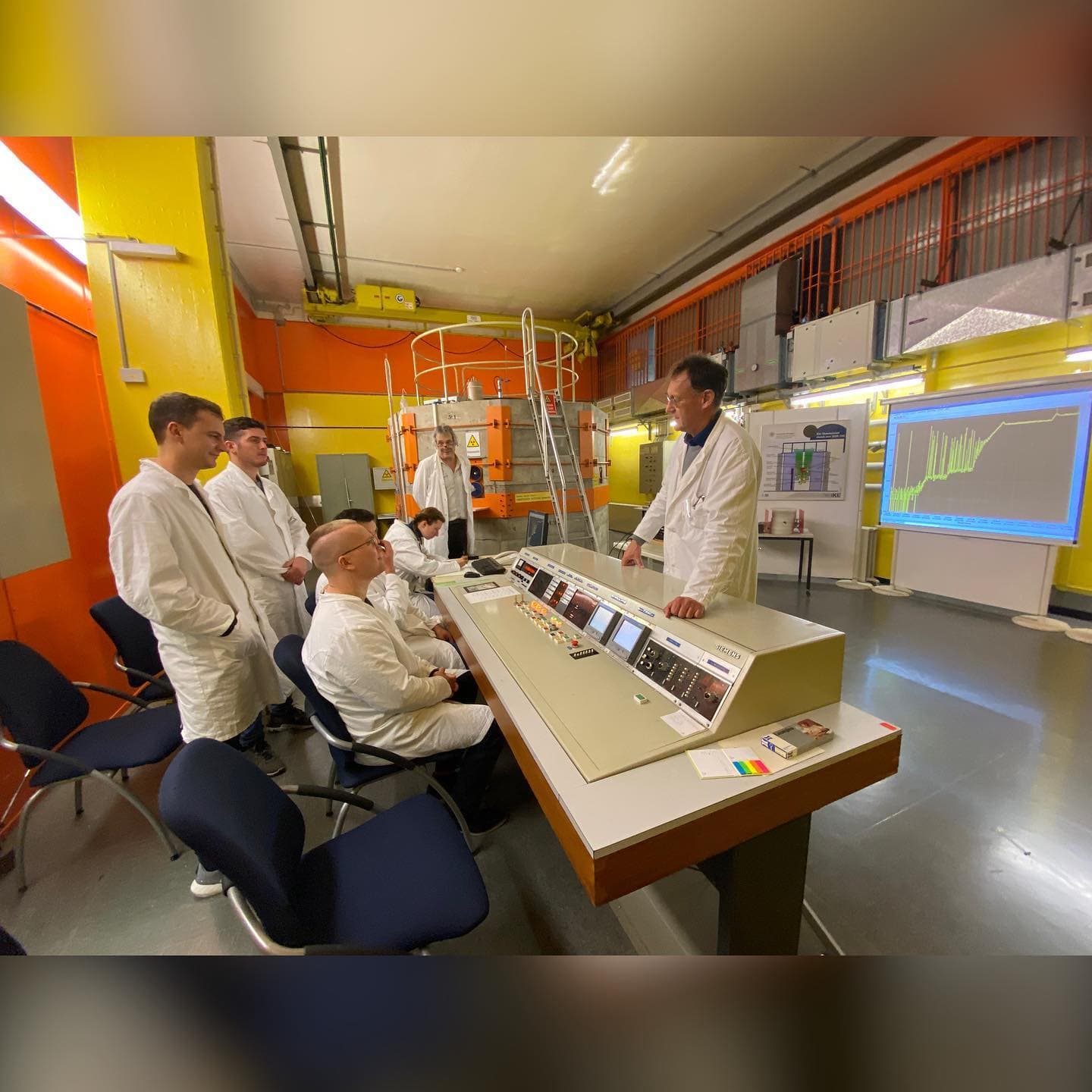
University of Stuttgart - Institute of Nuclear Technology and Energy Systems (IKE)
IKE combines research and teaching in the fields of reactor safety, energy systems and nuclear technology. Through practice-oriented education and current research projects, the institute makes an important contribution to preserving and further developing nuclear expertise.
- Stuttgart, Baden-Württemberg
Managing Director
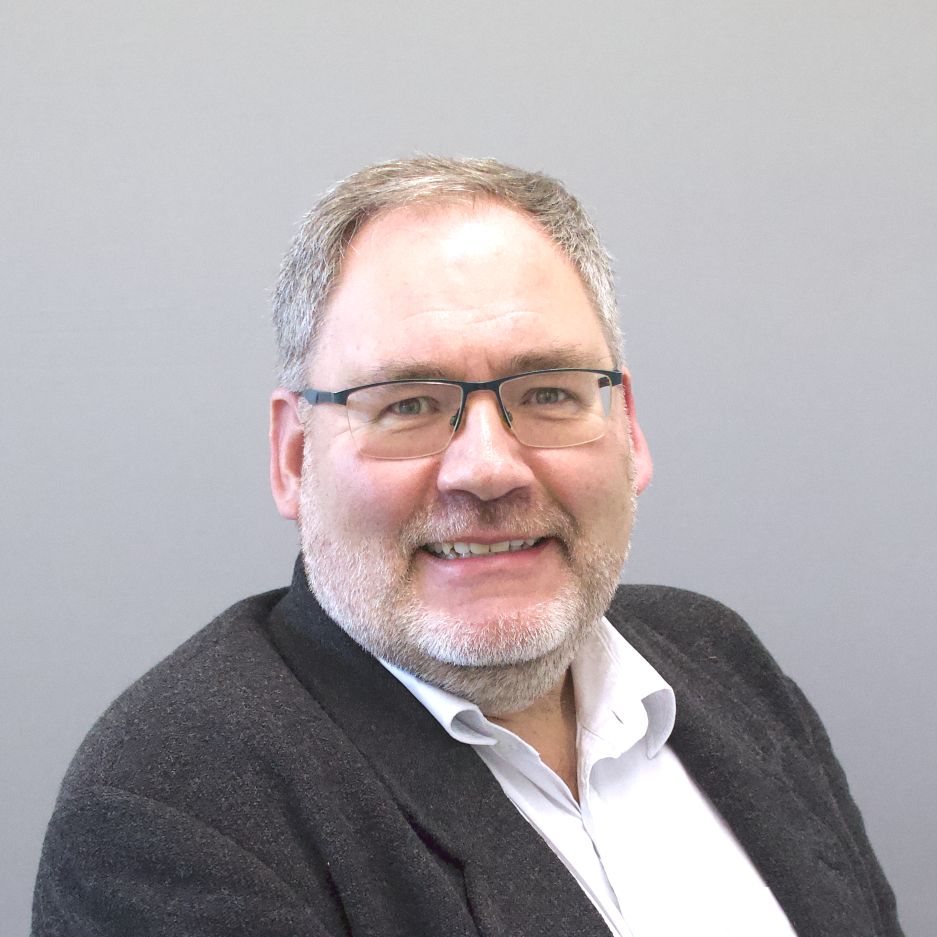
Prof. Dr.-Ing. Jörg Starflinger
Institute of Nuclear Technology and Energy Systems
- +49 711 685-62371
- info@ike.uni-stuttgart.de

Plant Simulation and Safety Group (PSS) - Ruhr University Bochum
The Plant Simulation and Safety Group (PSS) conducts research into the safety assessment of nuclear facilities and develops advanced simulation methods for this purpose. Its main areas of research include reactor safety, accident analysis, system codes and computational fluid dynamics (CFD).
- Bochum, Nordrhein-Westfalen
Head of Plant Simulation and Safety
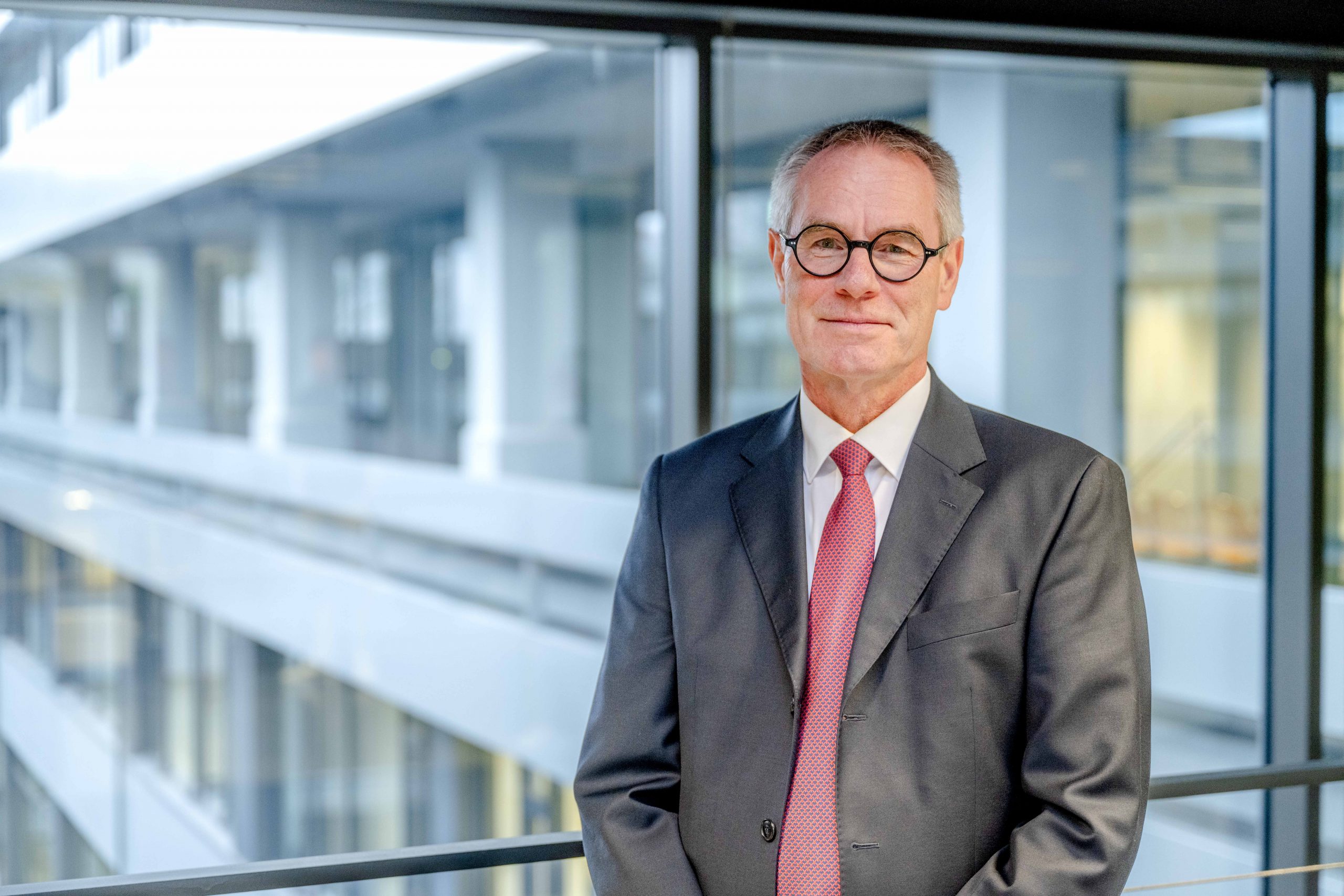
Prof. Dr.-Ing. Marco K. Koch
Ruhr University Bochum
- +49 234 32 26368
- marco.koch@pss.rub.de
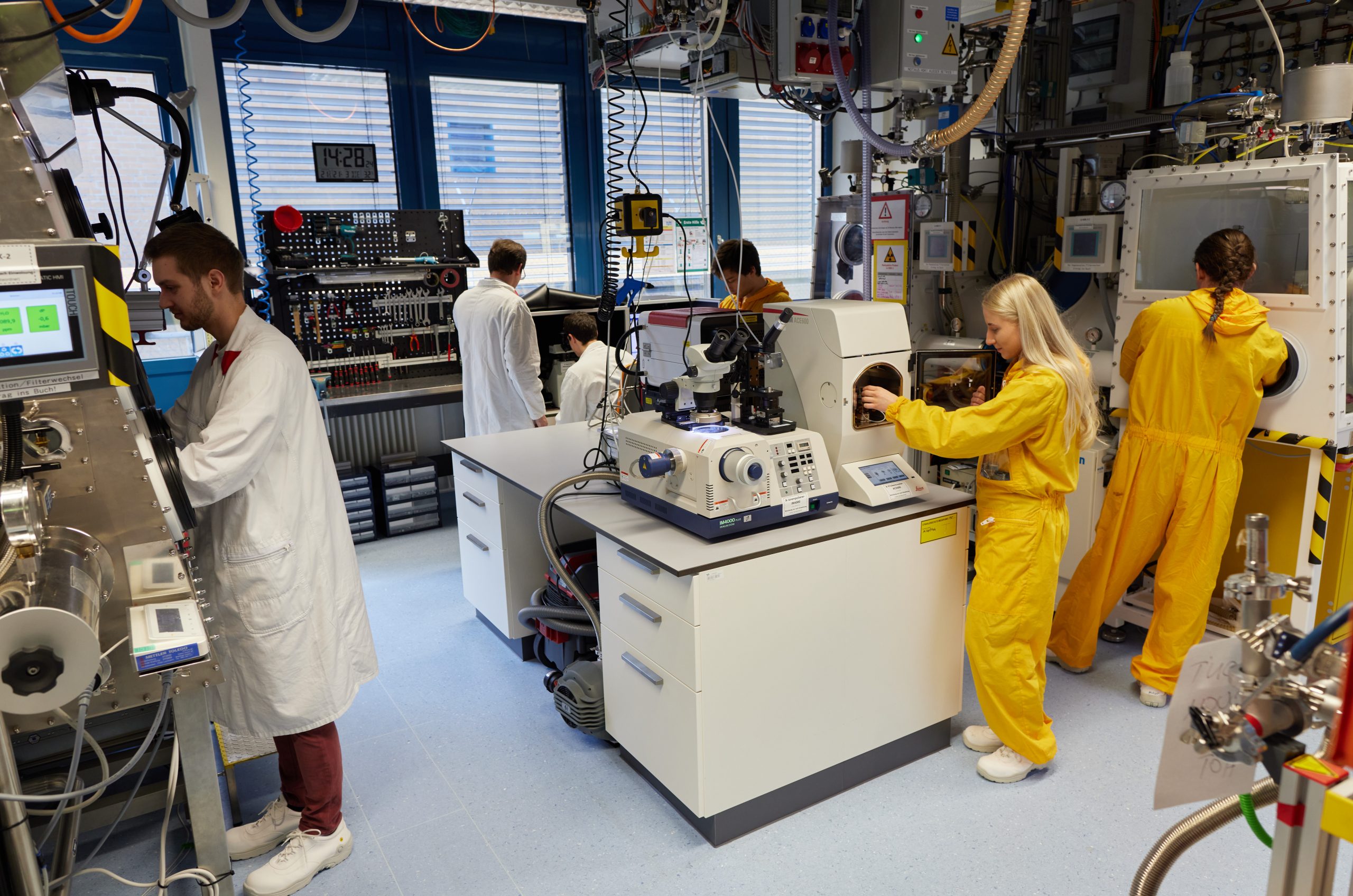
TUM Center for Nuclear Safety and Innovation (TUM.CNSI) - Technical University of Munich
TUM.CNSI combines research and teaching in nuclear safety and innovation with outstanding research infrastructure centred around the FRM II research reactor. Its main areas of research include advanced nuclear fuels, innovative reactor concepts and medically relevant radioisotopes.
- München, Bayern
Head of Nuclear Science
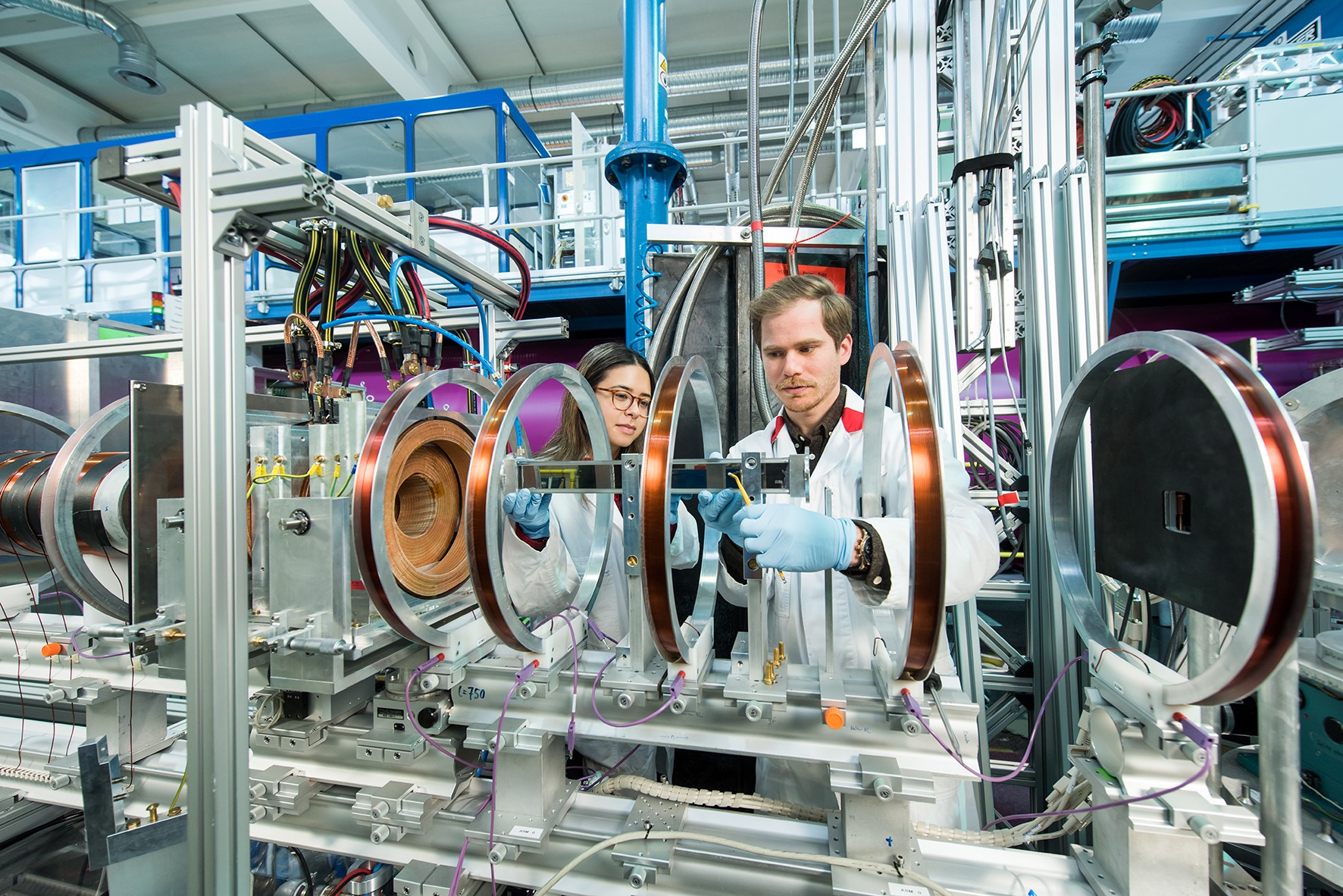
Dr. rer. nat. Tobias Chemnitz
Technical University of Munich TUM Center for Nuclear Safety and Innovation (TUM.CNSI)
- +49 89 289 54717
- tobias.chemnitz@tum.de
Head of Reactor Physics
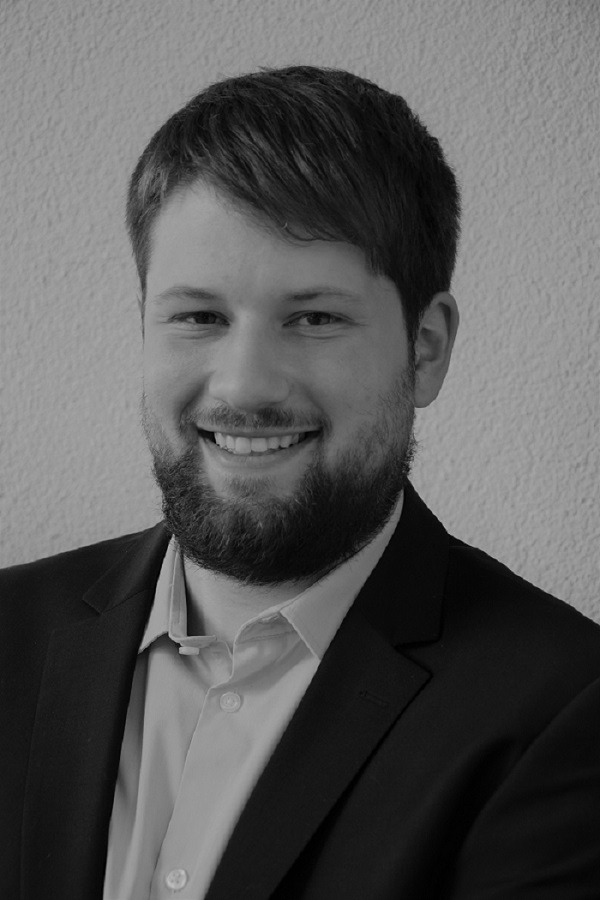
Dr. rer. nat. Christian Reiter
Technical University of Munich TUM Center for Nuclear Safety and Innovation (TUM.CNSI)
- +49 89 289 13906
- Christian.Reiter@frm2.tu-muenchen.de
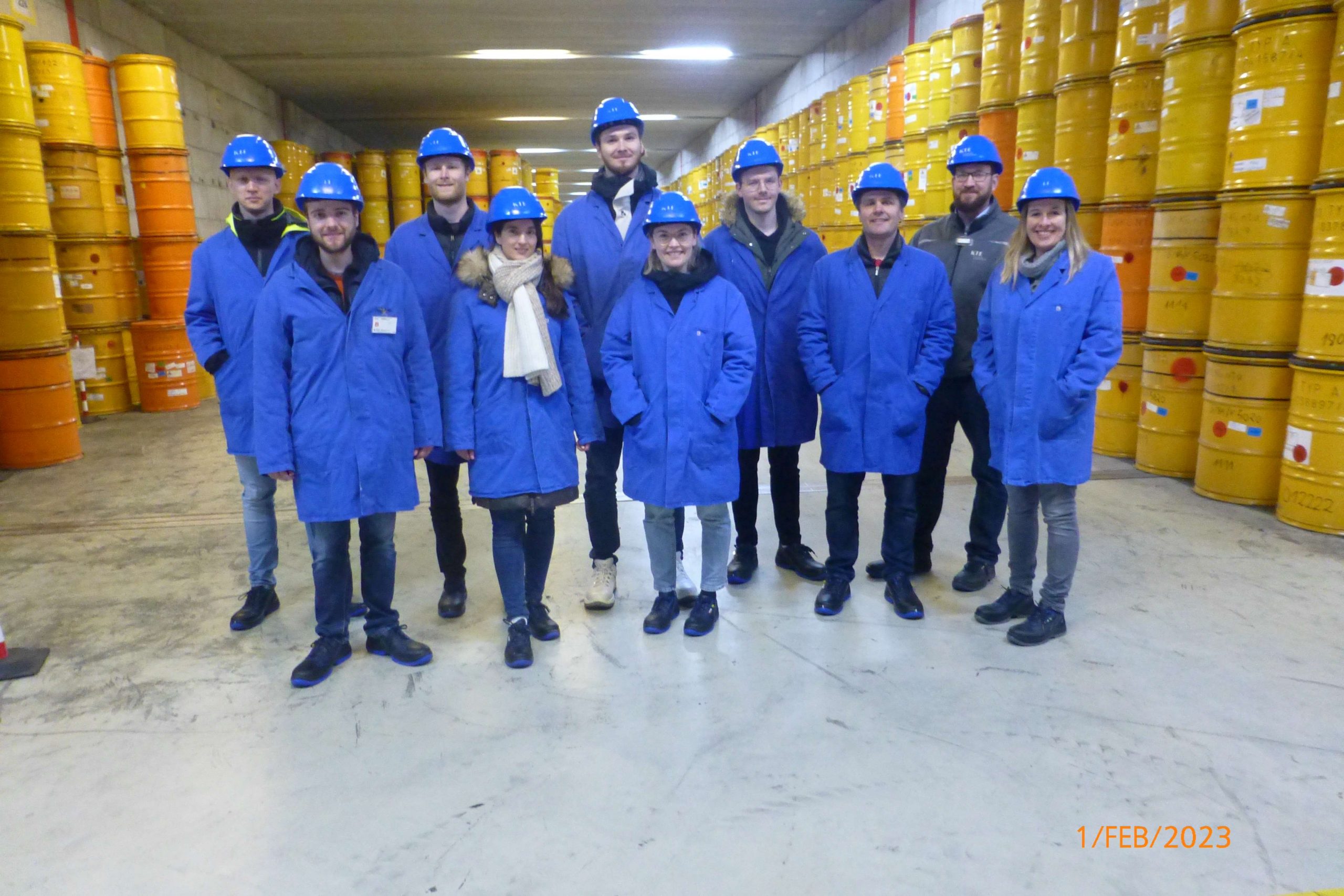
Karlsruhe Institute of Technology (KIT)
KIT combines research and teaching in the fields of nuclear safety and waste management. Its research focuses on the safety of nuclear facilities, the protection of people and the environment, decommissioning, materials monitoring and the long-term management and disposal of radioactive waste.
- Karlsruhe, Baden-Württemberg
Karlsruhe Institute of Technology (KIT)
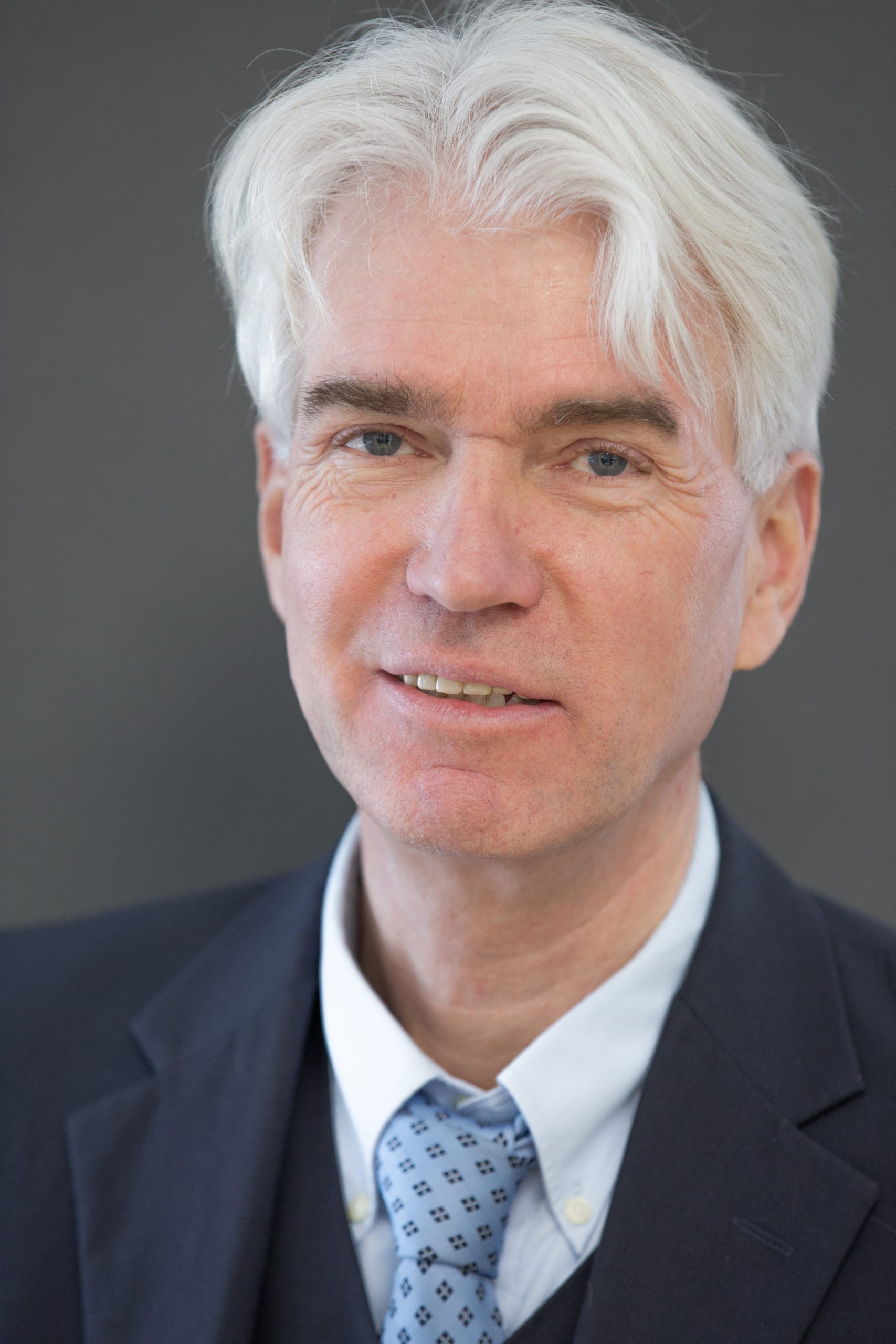
Dr. Thomas Walter Tromm
Programme Spokesperson, Nuclear Waste Management, Safety and Radiation Research (NUSAFE) Scientific Spokesperson, KIT Energy Center
- +49 721 608-25509
- walter.tromm@kit.edu
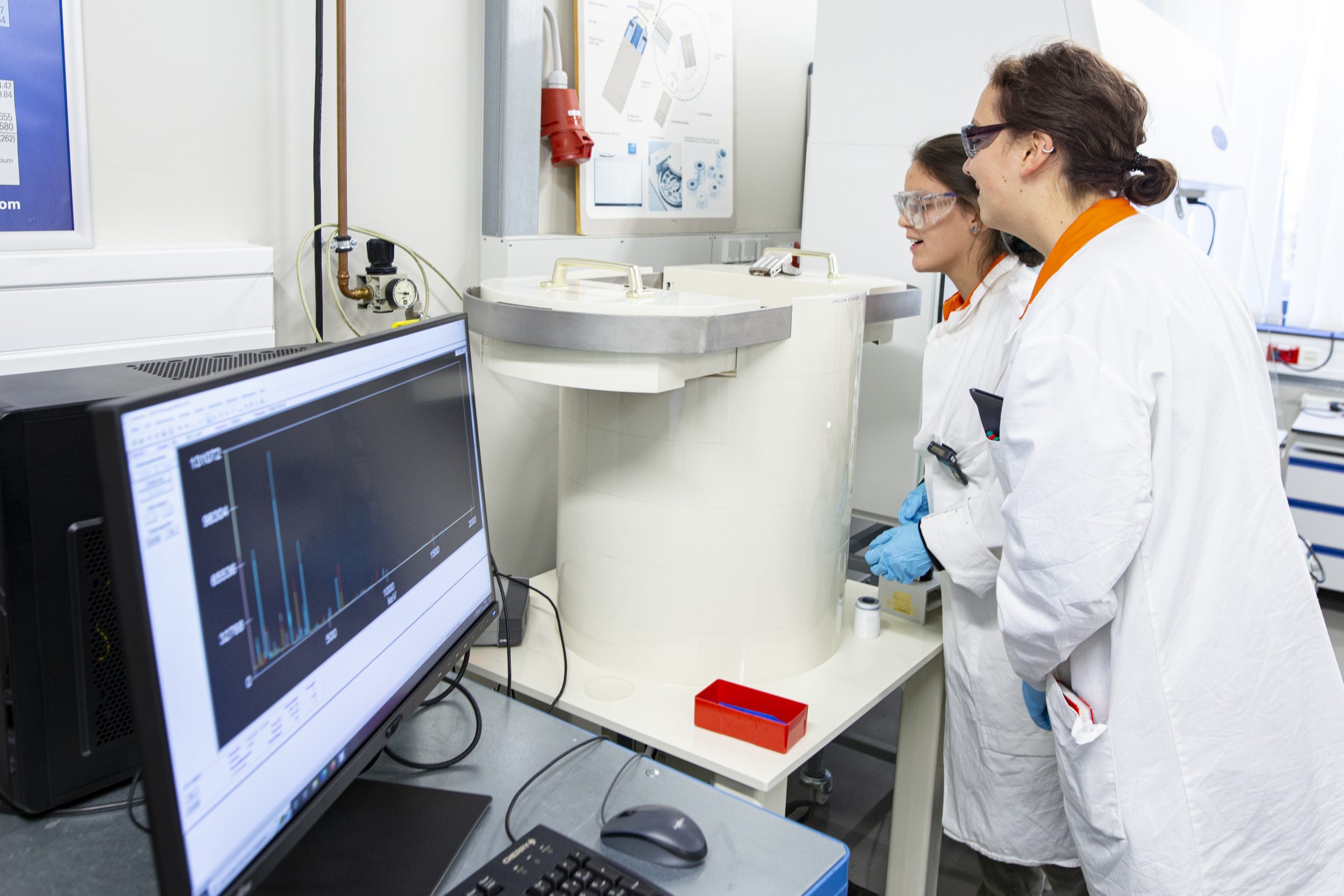
FH Aachen University of Applied Sciences
Through its Master of Nuclear Applications programme, FH Aachen combines practice-oriented education with international networking. The interdisciplinary degree programme prepares students for a wide range of applications of nuclear technologies – from energy and medicine to materials research.
- Aachen, Nordrhein-Westfalen
FH Aachen University of Applied Sciences
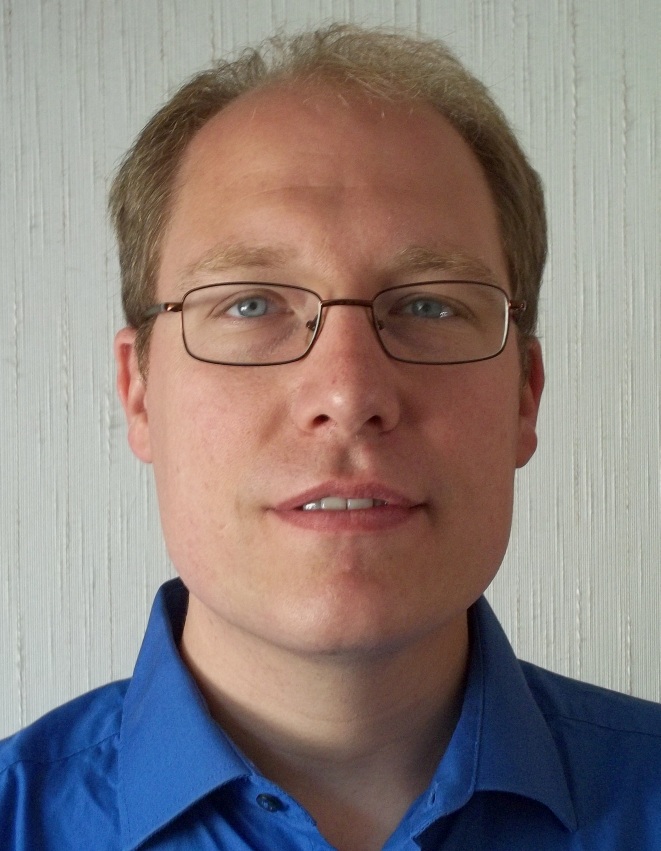
Prof. Dr. Christoph Langer
Radiation Protection Officer
- +49 241 6009 53149
- langer@fh-aachen.de
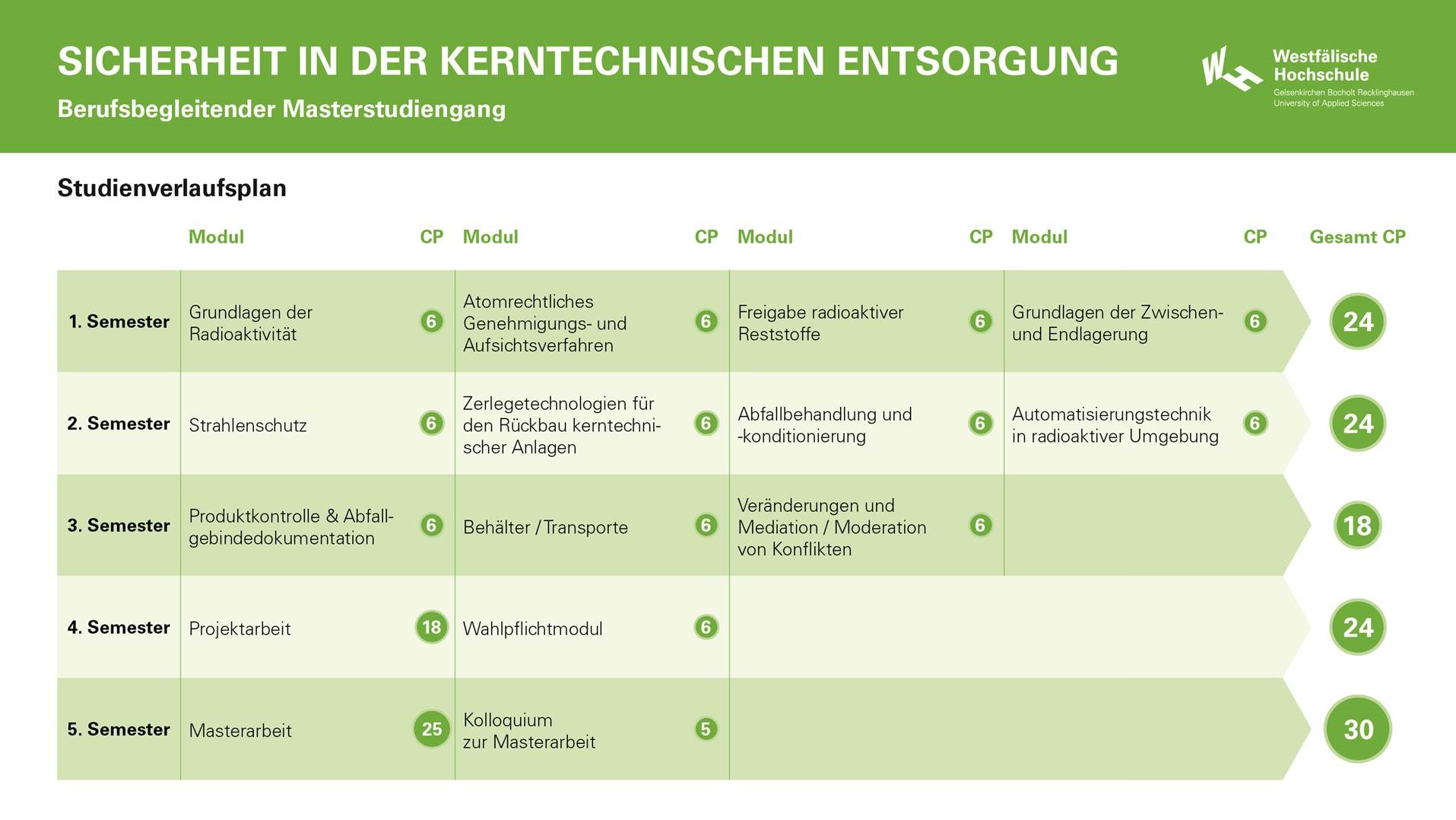
Westphalian University of Applied Sciences, Gelsenkirchen
With its specialised Master’s degree programme in nuclear waste management safety, the Westphalian University of Applied Sciences offers a new qualification pathway for working professionals. The programme covers the entire nuclear waste management process – from decommissioning and dismantling through to final disposal.
- Gelsenkirchen, Nordrhein-Westfalen
Westfälische Hochschule Gelsenkirchen
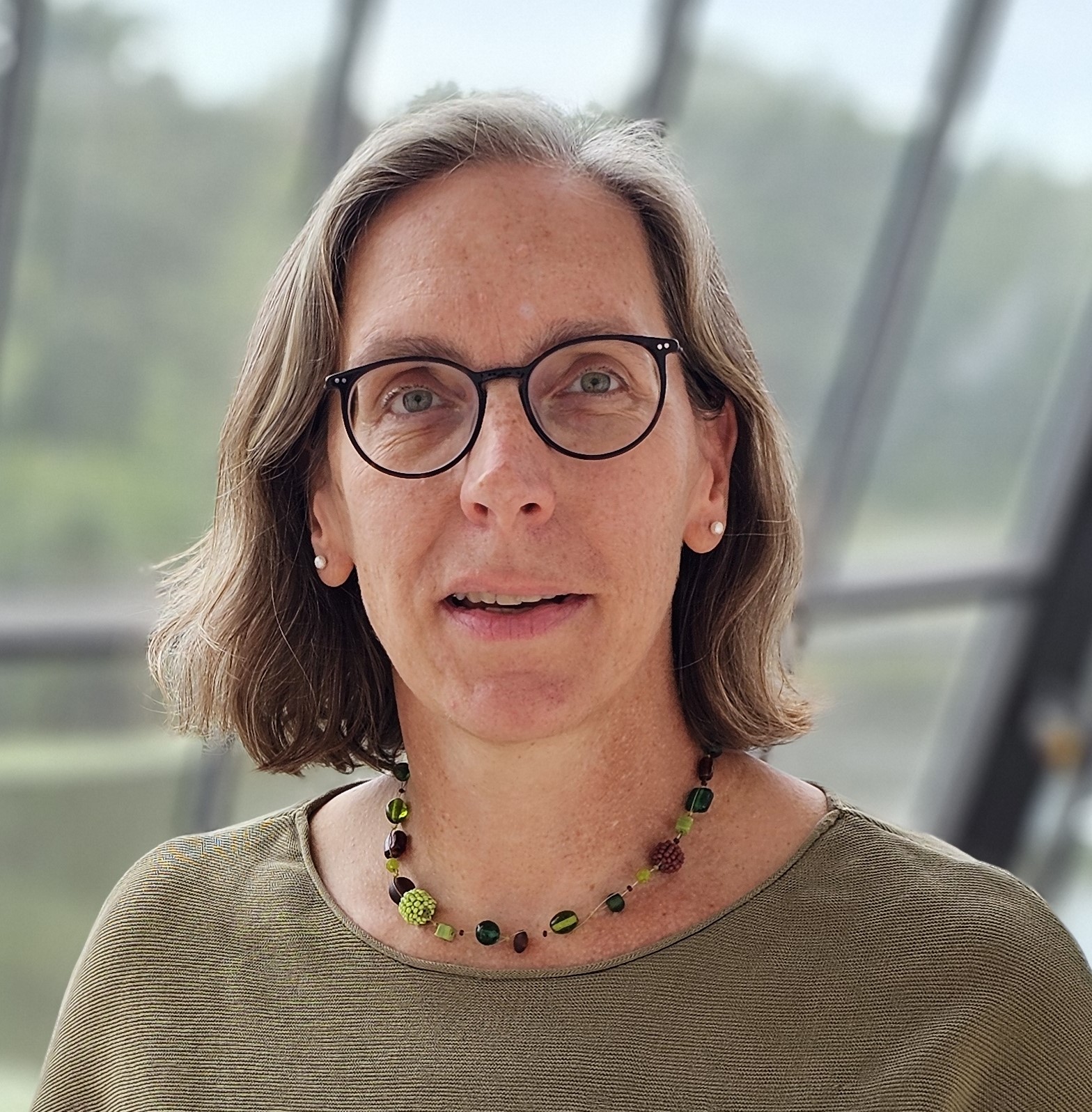
Prof. Dr. Daniela Gutberlet
Professor of Environmental Engineering & Logistics
- +49 209 9596 180
- daniela.gutberlet@w-hs.de
Westfälische Hochschule Gelsenkirchen
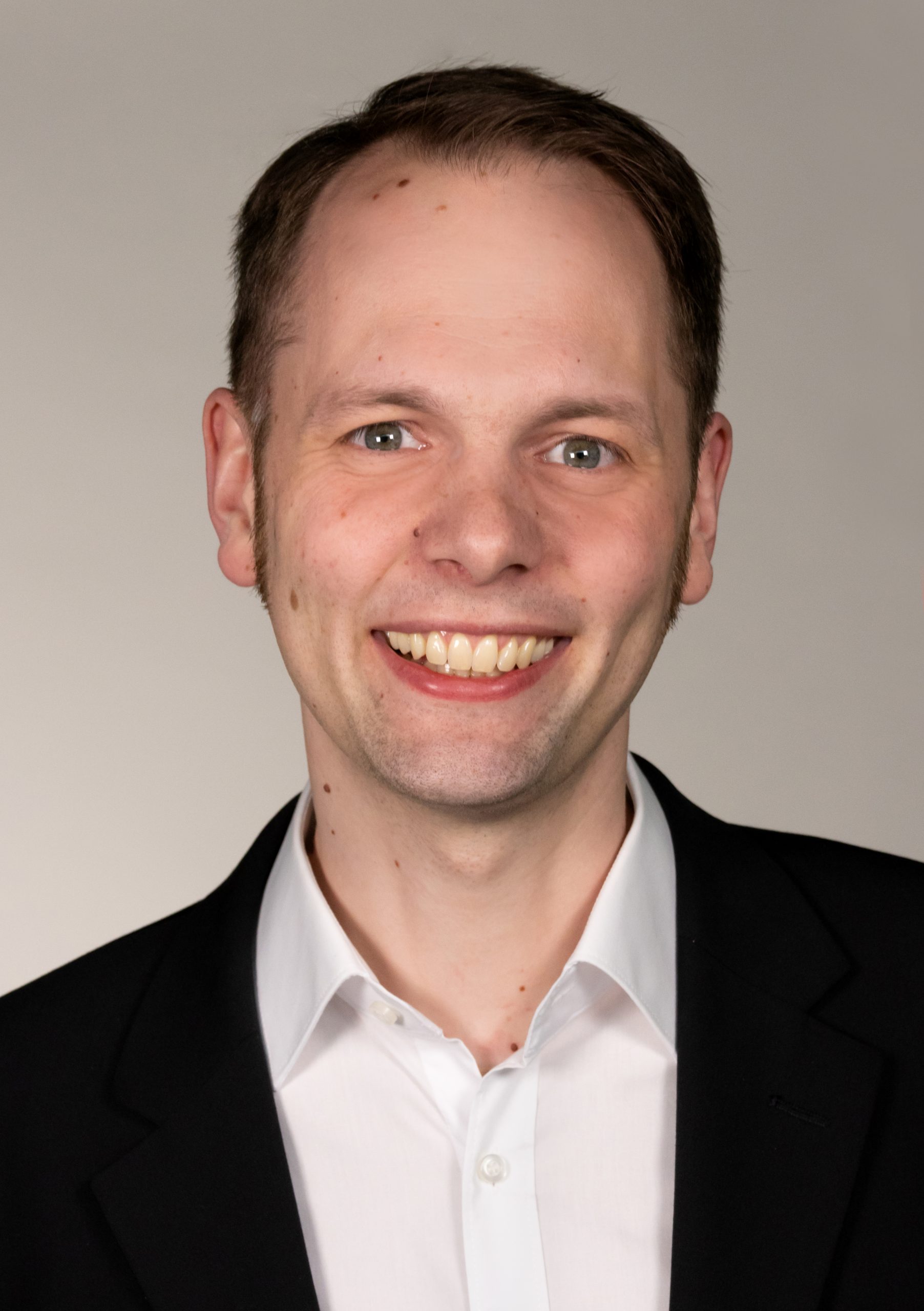
Dr. Jonas Menze
Quality Management
- +49 209 9596 8009
- jonas.menze@w-hs.de
Nuclear Technology as a Versatile Field of Application
Nuclear technology is far more than a means of generating electricity or a field concerned with decommissioning and final disposal. Nuclear expertise is required across a wide range of socially, scientifically and industrially relevant areas – from medical diagnostics and therapy to materials research, industrial applications of ionising radiation, space technology and fundamental research in physics.
This broad range of applications makes nuclear expertise an important asset for Germany as a centre of science and technology, irrespective of the future structure of its energy supply.
Preserving Knowledge. Passing on Expertise.
The future viability of an advanced industrial and knowledge-based society depends to a large extent on its ability to preserve scientific expertise, develop it further and pass it on to future generations. This is particularly true of nuclear technology.
Even after Germany’s phase-out of commercial nuclear power generation, numerous tasks remain for which highly qualified specialists and up-to-date scientific expertise are indispensable. These include the decommissioning and dismantling of nuclear facilities, radiation protection, safety research and the long-term management and disposal of radioactive waste.
At the same time, new reactor concepts, Small Modular Reactors (SMRs), nuclear fusion, nuclear medicine and other technological applications are creating new fields of research and expertise.
Research and Teaching with a Practical Focus
The future viability of an advanced industrial and knowledge-based society depends to a large extent on its ability to preserve scientific expertise, develop it further and pass it on to future generations. This is particularly true of nuclear technology.
Even after Germany’s phase-out of commercial nuclear power generation, numerous tasks remain for which highly qualified specialists and up-to-date scientific expertise are indispensable. These include the decommissioning and dismantling of nuclear facilities, radiation protection, safety research and the long-term management and disposal of radioactive waste.
At the same time, new reactor concepts, Small Modular Reactors (SMRs), nuclear fusion, nuclear medicine and other technological applications are creating new fields of research and expertise.